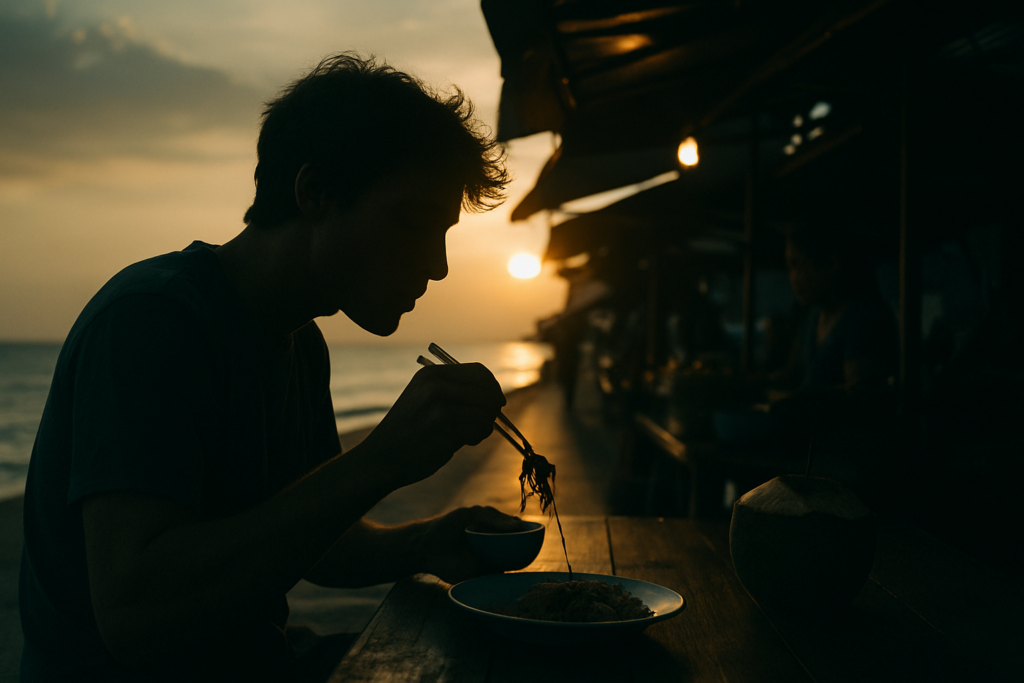

I’m tired of eating the same three meals every week.
You are too.
That gray feeling when you open the fridge and just… stare.
I’ve spent years chasing real food. Not Instagram food. Not “fusion” food made for clicks.
Actual dishes with history, heat, and soul.
I’ve sat in cramped kitchens from Oaxaca to Osaka. Watched grandmothers press tortillas by hand. Seen chefs stir pots for twelve hours straight.
This isn’t about travel porn or fancy ingredients.
It’s about Jalbiteworldfood you can find right now. No passport needed.
Four cuisines. One iconic dish each. Each one tells a story you can taste.
No gatekeeping. No jargon. Just what works.
I’ll tell you where to go, what to order, and why that dish matters.
You’ll eat better this week.
The Heart of Italy: Cacio e Pepe Isn’t Magic. It’s Discipline
I’m tired of Italian food being reduced to spaghetti with meatballs and garlic bread.
That’s not Italy. That’s a theme park.
Real Italian cooking starts with less. Not more.
Cacio e Pepe is Roman soul food. Just Pecorino Romano, black pepper, pasta water, and dried spaghetti. Nothing else.
No cream. No butter. No garlic.
No onions. (Yes, I double-checked.)
The aroma hits first. Sharp, salty, almost animal. Then the pepper bites.
Not heat, but presence. You feel it behind your eyes.
The sauce? It’s not made. It’s coaxed.
Hot pasta water emulsifies the cheese. The starch thickens. The pepper oils bloom.
It’s creamy because you control the temperature and timing. Not because you added dairy.
Most places mess it up. Too much cheese → grainy. Too little water → glue.
Too much pepper → numb tongue.
I’ve watched chefs dump in pre-ground pepper from a shaker. That’s not Cacio e Pepe. That’s lunch.
To find an authentic version, look for restaurants that finish the dish in a wheel of aged Pecorino (or) at home, use imported cheese. Pecorino Romano DOP makes all the difference. Skip the domestic stuff. It melts wrong.
You’ll know it’s right when the noodles glisten. Not slick, not dry (but) coated like silk.
Jalbiteworldfood covers dishes like this without fluff or filters.
Try it with a glass of Frascati. Cold. Not chilled.
And stop calling it “pasta with cheese.” Say its name. Respect the simplicity.
It’s not hard. It’s just honest.
A Taste of Thailand: Sweet, Sour, Salty, Spicy, Bitter
Thai food isn’t about heat. It’s about balance.
I mean it. Not “kinda balanced.” Not “mostly balanced.” The five flavors must land at the same time (sweet,) sour, salty, spicy, bitter (or) the dish falls apart.
Tom Yum Goong is where this philosophy hits hardest.
It’s not just soup. It’s a flavor argument that ends in agreement.
You taste the chili first (sharp) and immediate. Then lime juice punches through. After that, shrimp broth wraps around your tongue with salt and umami.
Lemongrass adds citrusy lift. Galangal brings earthy heat (not like ginger (different).) Kaffir lime leaves? That bright, floral snap you can’t fake.
Thai chilies? They don’t just burn. They bloom.
I go into much more detail on this in Jalbiteworldfood quick recipes by justalittlebite.
Bitter is the quiet one here. Usually from the stems or outer leaves of cilantro, or sometimes young galangal. You won’t always name it.
But if it’s missing, the soup tastes flat.
I’ve ordered Tom Yum at ten different places. Three got it right. Seven missed one flavor so badly I sent it back.
Don’t assume your server knows what “Thai spicy” means.
Ask for it. Say it out loud: “I want it Thai spicy (not) American spicy.”
If you’re unsure, say “medium Thai” and go up next time.
Most restaurants dial it down by default. Not because they’re cautious. Because they’ve seen too many people sweat through their shirts and lie about it.
Jalbiteworldfood is where I learned to taste bitterness before I could name it.
Pro tip: Crush the kaffir lime leaf between your fingers before adding it to the pot. That releases oil. That oil matters.
Sour comes from lime juice. Added at the end. Never boil it.
You’ll lose the brightness.
Sweet comes from palm sugar (not) granulated. It melts slower. It rounds things out.
Salt? Fish sauce. Not soy.
Not salt shaker. Fish sauce.
Tacos al Pastor: Not What You Think
I’ve eaten hard-shell tacos with shredded yellow cheese. They’re fine. But they’re not Mexican street food.
That’s like calling a hot dog a steak dinner.
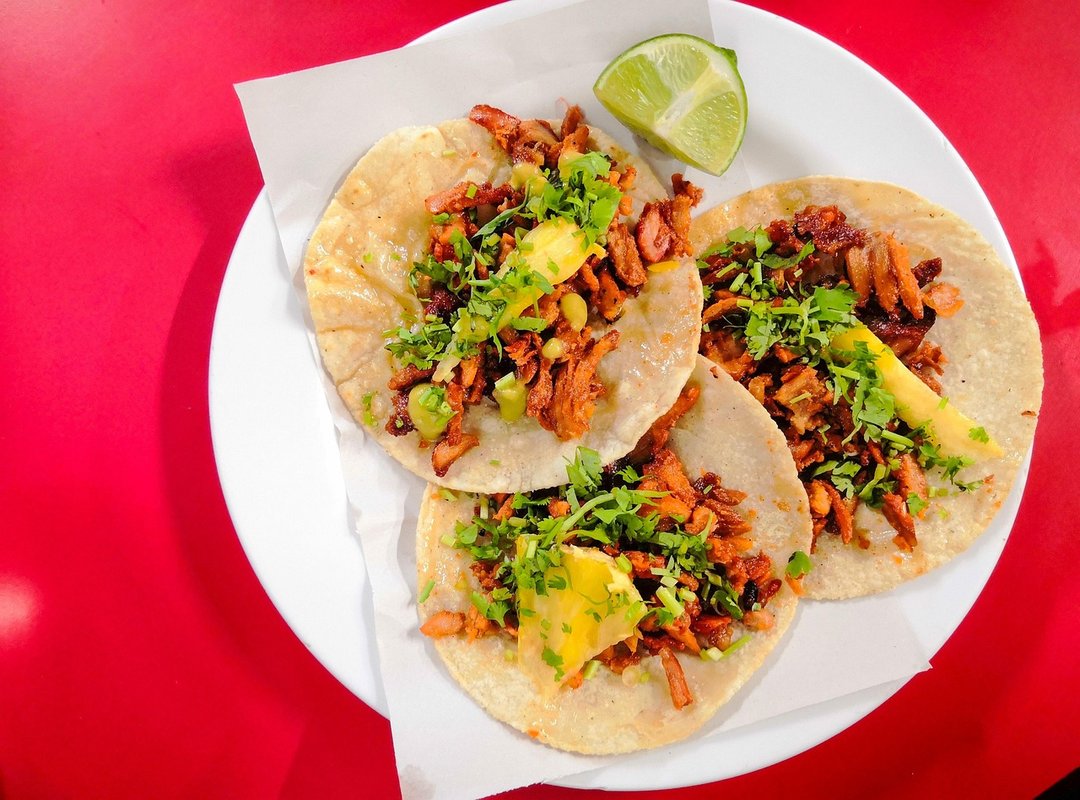
Tacos al Pastor changed how I think about food. It started with Lebanese immigrants in Mexico City. They brought shawarma.
Mexicans added chiles, achiote, and pineapple.
The trompo spins slow. Red pork glistens. Crisp edges form.
You watch the taquero slice it thin. The pineapple sits right on top (sweet,) sharp, juicy. Cilantro and onion come fresh.
No wilted stuff.
Corn tortillas are non-negotiable. Not flour. Not store-bought.
Freshly pressed, warm, slightly charred.
Salsa isn’t optional either.
It’s raw, bright, and alive (not) ketchup-red or sweetened.
You don’t need a trompo to get close at home. Thin-slice pork shoulder. Marinate it in chipotle in adobo, orange juice, cumin, and garlic.
Let it sit overnight. Grill or pan-sear.
Trompo is the soul (but) flavor doesn’t wait for equipment.
I tried that marinade last week. It tasted like a sidewalk in Coyoacán at 9 p.m. No trompo.
Just a cast-iron skillet and patience.
Jalbiteworldfood quick recipes by justalittlebite has versions of this that actually work. No gimmicks, no weird substitutions.
Real street food isn’t about perfection.
It’s about heat, speed, and honesty.
Most American “Mexican” food skips the corn tortilla. Skips the salsa. Skips the story.
Don’t skip the story.
You’ll taste the difference.
Umami Isn’t Magic (It’s) Pork Bones and Patience
I taste umami every time I lift a spoon of tonkotsu ramen.
It’s not a trick. It’s not garnish. It’s the fifth taste: deep, savory, mouth-coating richness.
Tonkotsu ramen isn’t instant noodles with hot water. It’s pork bones boiled for 18 hours until the broth turns milky white and thickens like silk.
That broth is everything. Everything else rides on it.
Springy noodles? Good. Tender chashu?
Important. Soft-boiled ajitama with that custardy yolk? Yes.
But if the broth lacks depth, the bowl fails.
I’ve walked past ramen shops where the broth tasted thin. Like someone rushed it. (They did.)
Great ramen shops don’t hide behind toppings. They build the broth first. Then they wait.
Some people chase heat or spice. I chase umami. It’s why I keep coming back to that steaming bowl.
You can tell in one sip whether they care.
No frills, no noise, just pork, time, and salt.
Jalbiteworldfood gets this right: simplicity with weight.
Don’t skip the fat. Don’t skim the top layer. That’s where the umami lives.
Your Next Meal Doesn’t Have to Be Boring
I’ve been there. Staring into the fridge at 6:17 p.m. Wondering why dinner feels like groundhog day.
You’re tired of the same three meals on repeat. That’s not cooking. That’s just survival.
Jalbiteworldfood fixes that. Not with gimmicks. Not with expensive kits.
Just real food from real places (made) simple.
You now have four full culinary worlds ready to try. No gatekeeping. No jargon.
Just flavor you can taste tonight.
What’s stopping you from actually doing it?
Pick one dish from this list.
This week, either find a local restaurant that serves it (or) look up a simple recipe.
Your next great meal is waiting. Not next month. Not after “life slows down.” Tonight.
Go eat something new.
 Culinary Expert
Edward brings a wealth of knowledge to the Food Meal Trail team, specializing in culinary techniques and gourmet cooking. With years of experience in professional kitchens, he shares his insights through engaging articles that simplify complex recipes. Edward is passionate about helping home cooks elevate their skills and create memorable dining experiences.
Culinary Expert
Edward brings a wealth of knowledge to the Food Meal Trail team, specializing in culinary techniques and gourmet cooking. With years of experience in professional kitchens, he shares his insights through engaging articles that simplify complex recipes. Edward is passionate about helping home cooks elevate their skills and create memorable dining experiences.