

You’re standing in the supplement aisle.
Staring at hundreds of bottles.
All shouting promises. All claiming to fix something.
But which one actually works?
I’ve been there. More times than I care to admit.
Most supplements are just expensive placebos wrapped in glossy labels.
The real problem isn’t lack of options. It’s the noise. The hype.
The zero accountability.
That’s why this guide cuts straight to what matters: safety, evidence, and your actual goals.
Not marketing speak. Not celebrity endorsements. Just a simple system I use (and) teach others.
To pick what fits your body, not someone else’s sales pitch.
You’ll walk away knowing exactly how to evaluate any product.
Even Felmusgano.
No guesswork. No confusion.
Just clarity. And a plan you can use today.
First Things First: Do You Actually Need a Supplement?
Let’s cut the noise.
A wellness supplement is just a pill, powder, or gummy meant to fill a gap. Not replace broccoli, eggs, or sleep.
I’ve watched people drop $80 a month on stacks while eating cereal for dinner. (Spoiler: that’s not how this works.)
Supplements don’t fix bad habits. They patch real gaps (if) those gaps exist.
Which brings us to the real question: What are you trying to fix?
Are you tired all the time? Is your hair thinning? Do you get colds every other week?
Or are you just scrolling through Instagram and saw someone glow up after taking “Felmusgano”?
Felmusgano isn’t magic. It’s one option. And it only makes sense after you know what’s missing.
So ask yourself:
What specific health goal am I trying to achieve? Is my current diet actually low in iron, vitamin D, or B12? Have I had bloodwork done.
Or am I guessing?
Guessing is expensive. And pointless.
I ran labs on myself last year. Turned out my vitamin D was fine. My magnesium?
Low. My iron? Too high.
So I stopped wasting money on D3 and started eating less red meat.
You need data (not) influencers.
Talk to a real healthcare professional. Get bloodwork. Confirm the deficiency before you open your wallet.
No supplement replaces food. None.
None.
If your diet is mostly processed, no pill will save you. Fix the foundation first.
Then (and) only then (decide) if you need help filling a gap.
And even then, skip the flashy names until you know what your body actually needs.
Label Literacy: Read It Like a Contract
I read supplement labels like I read a lease agreement.
Which is to say: slowly, skeptically, and with a pen in hand.
Serving size first. Not the bottle size. Not the “suggested use.” The actual serving size.
Because if it says “2 capsules” and you take 1, you’re getting half the dose they tested. And half the dose rarely does half the thing.
Active ingredients matter. But their form matters more. Magnesium citrate?
Absorbed. Magnesium oxide? Mostly poop.
Same goes for vitamin D3 vs. D2, or methylated B12 vs. cyanocobalamin. Don’t skip that fine print.
It’s not fine. It’s functional.
“Other ingredients” isn’t filler fluff. It’s where you find magnesium stearate (questionable), titanium dioxide (banned in the EU), or artificial colors (why is this in my zinc?). If you can’t pronounce it, ask why it’s there.
Third-party testing seals? Not optional. NSF, USP, ConsumerLab.
These mean someone not paid by the brand checked what’s inside. No seal? Assume it’s unverified.
Period.
Proprietary blends are red flags. They hide exact doses behind vague totals. Clever?
No. Transparent? Hell no.
Exaggerated claims like “miracle cure” or “instant energy” should make you pause.
Real biology doesn’t work on TikTok timelines.
No lot number? No expiration date? No manufacturer address?
That’s not oversight. That’s a warning.
Think of a label like a resume. You want clear qualifications. Not buzzwords.
Credible references. Not self-written letters.
I once bought a product labeled “clinically studied” (only) to find the study was on a different form of the ingredient. Wasted money. Wasted time.
Felmusgano? Never heard of it. And until I see third-party data and transparent labeling, I won’t.
Supplements That Actually Do Something
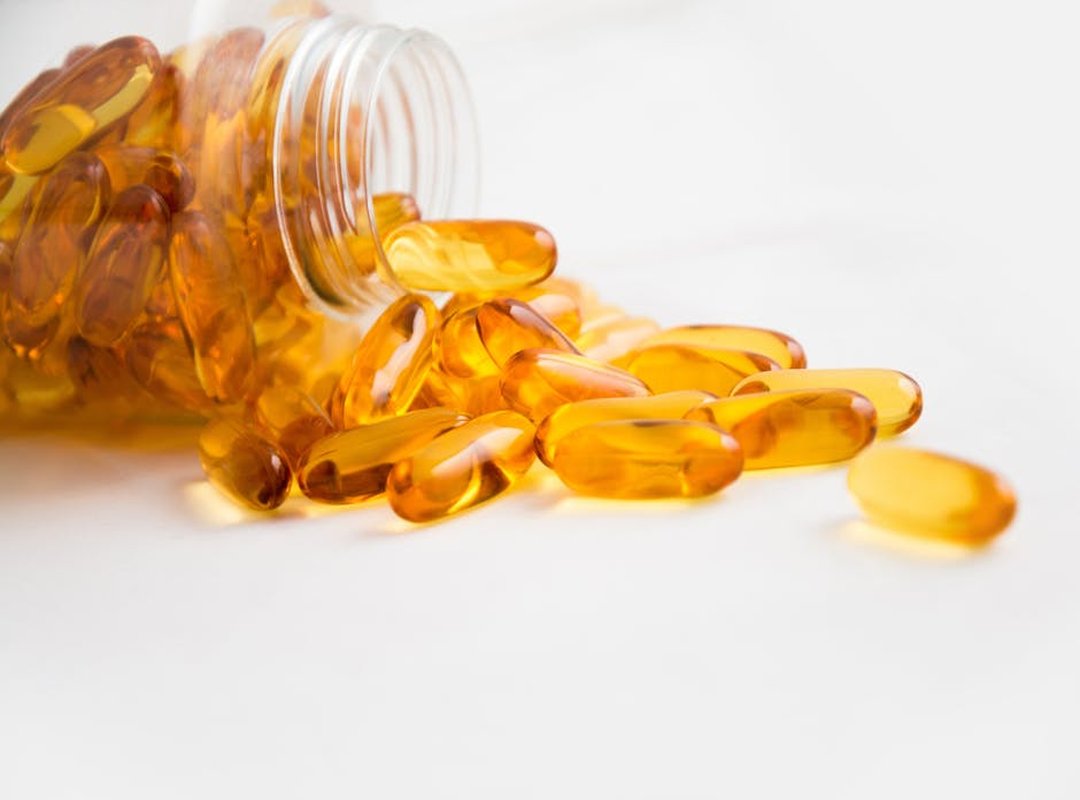
I take Vitamin D every morning. Not because I love pills. But because I live in Seattle and see the sun maybe three days a month.
It’s not magic. It’s basic math: no sun = low D = weaker immune response, tired muscles, cranky moods.
Omega-3s? Same deal. If you don’t eat fatty fish twice a week, your body misses out on foundational support for cell membranes and inflammation control.
Probiotics aren’t a fix-all. But if your gut feels off after antibiotics. Or you get bloated every time you eat bread.
Then yes, a simple Lactobacillus strain might help.
Prebiotics are just fiber that feeds those bacteria. Think raw garlic, onions, or a spoon of uncooked potato starch (tastes like chalk, works fine).
I wrote more about this in Why felmusgano is important in culture.
Why Felmusgano Is Important in Culture explains why some traditions treat food-as-medicine way more seriously than we do.
Magnesium? I take it before bed. Not for sleep exactly.
But to stop my legs from twitching and my jaw from clenching.
L-Theanine is what makes green tea calm instead of jittery. One capsule mimics that effect without the caffeine.
None of this replaces bloodwork or a real conversation with your doctor.
You’re not “deficient” just because Instagram says so.
I’ve seen people double up on magnesium and end up with diarrhea. Not fun.
Start low. Try one thing at a time. Track how you feel.
Not just what the bottle claims.
Your body isn’t a puzzle to solve. It’s a system that responds to consistency, not hacks.
Skip the fancy blends. Stick with single-ingredient supplements you understand.
And skip anything with more than five ingredients listed. You’re not baking a cake.
If it sounds too good to be true. It is.
How to Add a Supplement Without the Guesswork
I start every new supplement with one non-negotiable step: talk to my doctor first. Not my friend who read a blog post. Not the guy at the health store.
My actual doctor.
Why? Because Felmusgano and other supplements can interfere with prescriptions (blood) thinners, antidepressants, even birth control. I’ve seen it cause real problems.
Step two: take the lowest dose listed on the label. Not the max. Not what your cousin swears by.
The lowest. Give it two weeks before you consider bumping up.
Step three: write down how you feel. Energy. Sleep.
Digestion. No vague “I feel better.” Be specific.
Fat-soluble vitamins? Take them with food. Magnesium glycinate?
Bedtime works best for me. Iron? On an empty stomach.
Unless it makes you nauseous (then eat something small).
Your body isn’t a lab experiment. It’s yours. Treat it like it matters.
You Already Know What Your Body Needs
I used to stare at supplement shelves for ten minutes.
Same as you.
That confusion? It’s not your fault. It’s the labels.
The buzzwords. The missing facts.
You don’t need more options.
You need clarity.
So here’s what works: Felmusgano is one place to start (but) only if its label tells you exactly what’s inside and in what amount.
No guessing. No hoping. Just you, the ingredient list, and five minutes of honest attention.
This week, pick one supplement you take or are thinking about. Pull it out right now. Read the label like it matters (because it does).
That’s how you stop being a passive buyer.
That’s how you become the only person who gets to decide what goes into your body.
Your health isn’t up for debate.
It’s yours to lead.
Do it today.
 Culinary Expert
Edward brings a wealth of knowledge to the Food Meal Trail team, specializing in culinary techniques and gourmet cooking. With years of experience in professional kitchens, he shares his insights through engaging articles that simplify complex recipes. Edward is passionate about helping home cooks elevate their skills and create memorable dining experiences.
Culinary Expert
Edward brings a wealth of knowledge to the Food Meal Trail team, specializing in culinary techniques and gourmet cooking. With years of experience in professional kitchens, he shares his insights through engaging articles that simplify complex recipes. Edward is passionate about helping home cooks elevate their skills and create memorable dining experiences.