
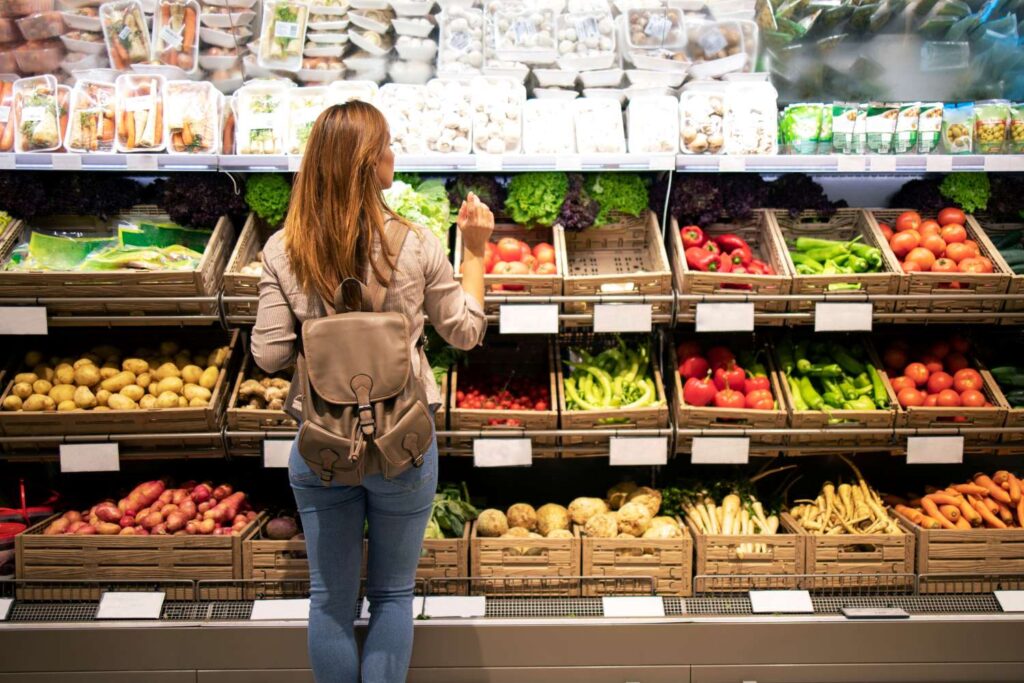
Today, the contents of the pantry have become a focal point for many health-minded households. The shift away from processed, chemically altered foods is considered a movement toward more mindful consumption. Choosing to stock a pantry with organic grocery items can be a decision that extends beyond personal nutrition, touching upon agricultural practices, environmental stewardship, and long-term wellness. This choice represents a commitment to a food system that prioritizes purity and sustainability from farm to shelf.
Read on to learn why organic products deserve a spot in your pantry.
The Purity Principle: Understanding What “Organic” Truly Means
The term “organic” can be a certification backed by rigorous standards. For a product to be certified organic, it must be produced without the use of synthetic pesticides, herbicides, fertilizers, and genetically modified organisms (GMOs). This fundamental difference is crucial. Conventional farming typically relies on a cocktail of chemicals to maximize yield and control pests. While effective for production, residues of these substances can remain on and even inside the food consumed.
By choosing organic specialty items, such as Malibu Market Organic Groceries or similar options in your area, you can directly reduce your intake of these potential toxins. The purity of organic, sustainable products ensures that the food is in its most natural state, free from artificial additives and preservatives commonly found in conventional packaged goods.
A Nutritional Powerhouse: The Potential Health Benefits
While the primary goal of organic farming isn’t necessarily to enhance nutrient content, emerging research suggests that organic crops may offer certain nutritional advantages, especially for those with lifestyle and dietary needs. It’s believed that some fresh produce can contain higher levels of specific antioxidants, which are compounds that help combat oxidative stress in the human body. The theory posits that without the protection of synthetic pesticides, plants must produce more of their own protective compounds, which can translate into a higher phytonutrient density.
Furthermore, organic meat and dairy products have been shown to have a more favorable fatty acid profile, often containing higher levels of omega-3 fatty acids, which are beneficial for heart and brain health. This is a direct result of the animals’ organic diet, which typically includes grass and forage.
Environmental Stewardship: A Choice for the Planet
The decision to purchase organic, high-quality groceries is a vote for a healthier planet. Organic farming practices are designed to work in harmony with natural ecosystems. By prohibiting synthetic pesticides and fertilizers, these methods can help prevent harmful runoff into waterways, thereby protecting aquatic life and reducing pollution. Organic agriculture can also promote soil health through techniques like crop rotation, composting, and the use of cover crops. Healthy soil can be used as a carbon sink to sequester carbon dioxide from the atmosphere and help lessen the effects of climate change.
Lastly, organic farms typically support greater biodiversity, providing a habitat for pollinators, birds, and other wildlife. This can help create a more resilient and balanced agricultural system.
Flavor and Authenticity: A Return to Real Taste
Many consumers report a noticeable difference in the taste of organic food. Without the mask of waxes, preservatives, and chemical residues, the authentic flavors of organic fruits, vegetables, and grains are allowed to shine. An organic heirloom tomato often bursts with a complexity and sweetness that its conventionally grown counterpart lacks. Organic, free-range chicken usually has a richer, more substantial flavor and texture. This enhanced taste profile can make your home-cooked meals more satisfying and enjoyable, encouraging a greater appreciation for whole, unprocessed and not restricted ingredients.
Long-Term Value and Ethical Considerations

While the upfront cost of organic produce can be higher, this price reflects the true cost of sustainable production. Organic farming is often more labor-intensive and requires more sophisticated land management. Viewing this cost as an investment rather than an expense can provide a different perspective. It’s an investment in personal health, potentially reducing future healthcare costs associated with exposure to agricultural chemicals.
It’s also an investment in ethical treatment, as organic standards include stricter animal welfare regulations, ensuring livestock have access to the outdoors and are raised without routine antibiotics or growth hormones.
Conclusion: A Holistic Investment in Well-being
Dedicating pantry space to organic groceries can be a choice with far-reaching implications. It supports a food system that values nutritional integrity, environmental sustainability, and ethical production. Each organic item selected is a conscious step towards a healthier household and a more sustainable future, making your organic pantry a cornerstone of modern, responsible living. The cumulative impact of these choices can foster a food culture rooted in quality and consciousness.
By prioritizing organic options, you can nourish your own body with cleaner, more nutrient-dense food and contribute to a collective demand for agricultural transparency and ecological balance. This holistic approach to consumption can also ensure that personal wellness and planetary health are intrinsically linked, creating a legacy of well-being for future generations.
 Founder
Nicoleine is the visionary behind Food Meal Trail, dedicated to inspiring healthier eating habits. With a passion for culinary arts and nutrition, she combines her expertise to provide readers with innovative meal ideas and cooking techniques. Nicoleine believes that food should be both nourishing and enjoyable, and she is committed to sharing her love for wholesome cuisine with the world.
Founder
Nicoleine is the visionary behind Food Meal Trail, dedicated to inspiring healthier eating habits. With a passion for culinary arts and nutrition, she combines her expertise to provide readers with innovative meal ideas and cooking techniques. Nicoleine believes that food should be both nourishing and enjoyable, and she is committed to sharing her love for wholesome cuisine with the world.