
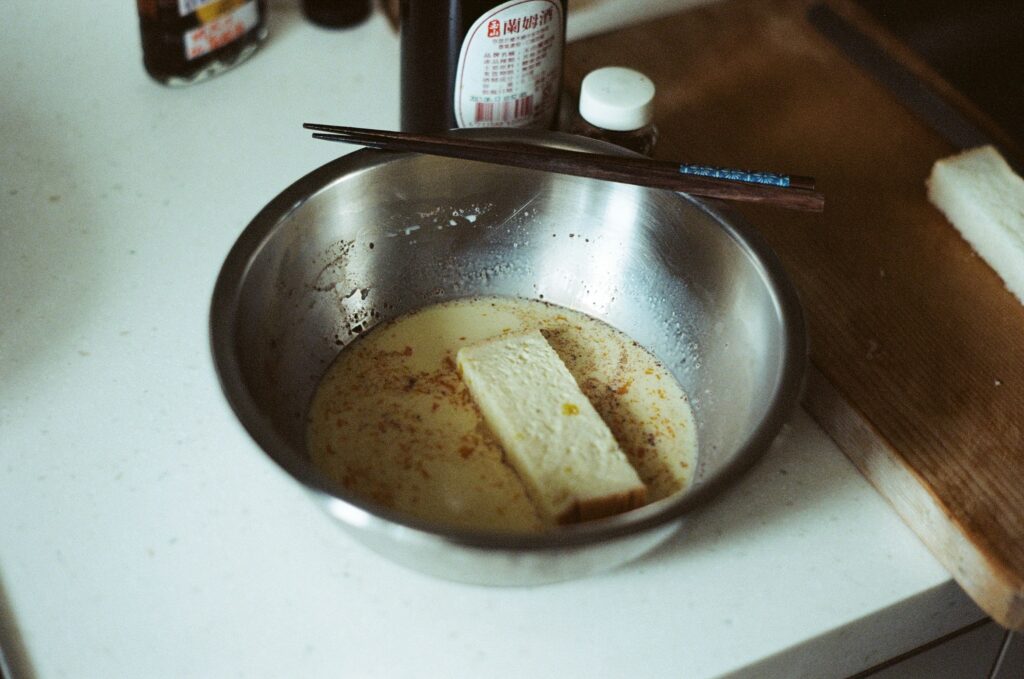
What Happens When You Marinate
Marinating isn’t just a flavor booster it’s a science driven process that transforms texture, enhances taste, and locks in moisture. Understanding what’s happening at the molecular level is the key to unlocking more delicious and consistent results in the kitchen.
Core Chemical Reactions
Several key reactions take place during marination:
Denaturing Proteins: Acids and salt alter the shape of proteins, unfolding them and allowing flavors to penetrate more effectively. This process also changes the texture, making some cuts more tender.
Osmosis: This natural movement of liquid helps draw flavors from the marinade into the food. It also balances salt and moisture levels between the marinade and the surface of the ingredient.
Diffusion: Aromatic compounds and seasonings from the marinade slowly move into the outer layers of the food, infusing it with flavor over time.
How Acids and Enzymes Affect Texture
Certain marinade ingredients have unique effects on texture:
Acids Common acids like vinegar, citrus juice, and yogurt can begin to ‘cook’ proteins if used in high amounts or for long periods. While a light touch can tenderize and brighten flavors, overuse can cause meats to become mushy, especially delicate cuts.
Enzymes Ingredients like papaya (papain) and pineapple (bromelain) contain natural enzymes that break down proteins. These are especially potent, so short marination times are key too much and your meat turns to mush.
The Role of Salt
Salt is more than a flavor booster it’s a critical player in moisture retention and flavor infusion:
Flavor Infusion: Salt draws moisture out of proteins initially, letting the marinade seep in. Then, it helps draw those flavorful juices back into the meat.
Moisture Retention: Salt also helps proteins retain moisture during cooking by restructuring some of the muscle fibers. This results in juicier final dishes.
A well balanced marinade respects the power of these ingredients. Use them deliberately and with the science in mind to elevate every meal.
Components of a Balanced Marinade
A good marinade stands on three legs: acid, fat, and seasoning. Acid breaks things down think vinegar, citrus juice, wine. It starts the flavor journey by loosening up the surface of the protein and triggering chemical changes that affect texture. But too much acid? You get rubbery meat.
Fat, usually in the form of oil, pulls its weight by carrying fat soluble herbs, spices, and aromatics deep into the food. No fat means dry marination that doesn’t cling or penetrate. Olive oil, sesame oil different flavors, same job.
Seasoning adds character. Salt draws moisture out and pulls flavor in. Herbs, garlic, crushed spices they fill in the gaps to keep your main ingredient from tasting flat. Sugar also sneaks in here. Beyond sweetness, it plays a quiet role in browning and caramelization once heat hits your food.
But many marinades fall short. Common issues? Shallow flavor because the ingredients aren’t balanced, or the meat wasn’t given enough time. Mushy textures usually a sign of over acidifying or marinating too long. Fix that by leaning on ratios: one part acid, three parts oil, plus a solid pinch of salt and flavor enhancers. And time it right. Thirty minutes might cut it for shrimp, but a steak needs more not a whole day or it goes mushy. Approach marinating like seasoning a story. Balance, patience, and knowing when to stop.
Timing and Technique Matter

Marinating isn’t a “more is more” situation. Leave meat in acidic marinades too long, and you’ll end up with a mushy, mealy mess. Acids like vinegar or citrus start to break down proteins shortly after contact. That’s great up to a point. For delicate proteins like fish, even 30 minutes can be plenty. Go past an hour and the flesh begins to fall apart, especially with strong acids.
Chicken holds up a bit longer two to six hours is usually the sweet spot, depending on the cut and the ingredients. Whole chicken? Overnight is okay. Thin breasts in lemon juice? Keep it under two hours.
Red meats like beef and lamb can marinate for longer, but there’s a ceiling. Six to 24 hours is common. Anything beyond that and texture suffers, especially if the mix contains pineapple or papaya, both packed with proteolytic enzymes that can turn steak into paste.
Your marination container matters more than people think. Metal can react with acidic marinades, lending a weird, off flavor to your food. Stick with glass, food grade plastic, or enamel. And always marinate in the fridge, not on the counter. Cold slows down bacterial growth and helps flavors develop more evenly.
Get the timing and tools right, and you’ll hit that sweet spot where flavor soaks deep and texture stays tight.
Science Backed Tips for Better Flavor
Marinades do plenty on their own, but physical prep makes a real difference. Piercing or scoring meat helps flavors get past the outer surface especially on thicker cuts. Think shallow cuts on chicken thighs or steak to give your marinade more surface area to latch onto. If you’re feeling a little more high tech, vacuum sealing with a marinade pulls it into the meat under pressure. Faster, deeper, and cleaner.
Dry brining is another smart move simpler than a marinade and sometimes more effective. Just salt the meat evenly and let it rest uncovered in the fridge. No liquid, no mess. The salt pulls moisture from the meat, which then mixes with the surface and gets reabsorbed, drawing flavor deep inside. And unlike some marinades, it won’t turn protein mushy.
And here’s a step people love to skip: resting after marination. It matters. A short rest after pulling meat out of a marinade lets the surface dry slightly, which means better browning in the pan or on the grill. Patting it dry doesn’t hurt either. Whether you’re grilling steak or roasting chicken, don’t rush from bag to heat give it a beat.
Go Deeper Into Technique
If you’ve already mastered the basics of marinating, this is where you start pushing boundaries. Advanced marination techniques don’t just add flavor they lock it in. Vacuum sealing, for example, creates a pressure environment that speeds up absorption and reduces the time needed for results. Sous vide marination pairs perfectly with this, letting you infuse deeper flavor while controlling texture with precision.
For global cuisines, it’s less about reinventing the wheel and more about respecting the ratios. A basic Mediterranean marinade might shift into Thai territory with fish sauce, lime juice, and chilies. Swap out the fat from olive oil to sesame or ghee and you’re already exploring a new direction. Just don’t overdo any one element. Acid should brighten, not burn. Sweetness should round it out, not dominate.
Efficient prep matters too. Marinate in reusable bags or lightweight containers that double as storage for leftovers. Use trimmings citrus rinds, ginger peels, herb stems to build flavor without wasting anything. And always marinate in the fridge, not on the counter, unless you like gambling.
Want to fine tune your approach? Check out these fail proof techniques that blend science with kitchen intuition.
For the Flavor Obsessed
Let’s start with a common kitchen myth: that acid alone can tenderize meat. Technically, it can but only to a point, and usually not in the way you think. Acid (like vinegar or citrus juice) starts to unravel proteins on the surface, but if you let it sit too long, you don’t get juicy tenderness you get a weird, mushy texture. In most cases, salt and time do more heavy lifting when it comes to flavor depth and moisture retention.
Want control over your marinade instead of guessing every time? Build it with basic ratios: start with 3 parts oil to 1 part acid. Layer in aromatics (garlic, onion, herbs), a bit of salt, and something sweet if you want browning. It’s modular. Once you get the base down, you can tweak it endlessly spicy for wings, earthy for lamb, fresh for seafood.
Now, for the real hack: batch prepping. Mix up a few jars of your go to marinades on Sunday, label them, and store them in the fridge for up to two weeks (depending on ingredients). It cuts weeknight cooking time in half. Pour, seal, marinate. You’re not just cooking you’re operating like a pro.
Want to level up your kitchen game? Discover expert marination techniques that bring science and flavor together.
 Food Travel Writer
Suzette is the adventurous spirit of the team, exploring culinary landscapes around the globe. Her love for food and travel inspires her to create engaging guides that highlight local cuisines and hidden gems. Through her writing, Suzette takes readers on a journey, encouraging them to discover new flavors and cultures while savoring their meals.
Food Travel Writer
Suzette is the adventurous spirit of the team, exploring culinary landscapes around the globe. Her love for food and travel inspires her to create engaging guides that highlight local cuisines and hidden gems. Through her writing, Suzette takes readers on a journey, encouraging them to discover new flavors and cultures while savoring their meals.