
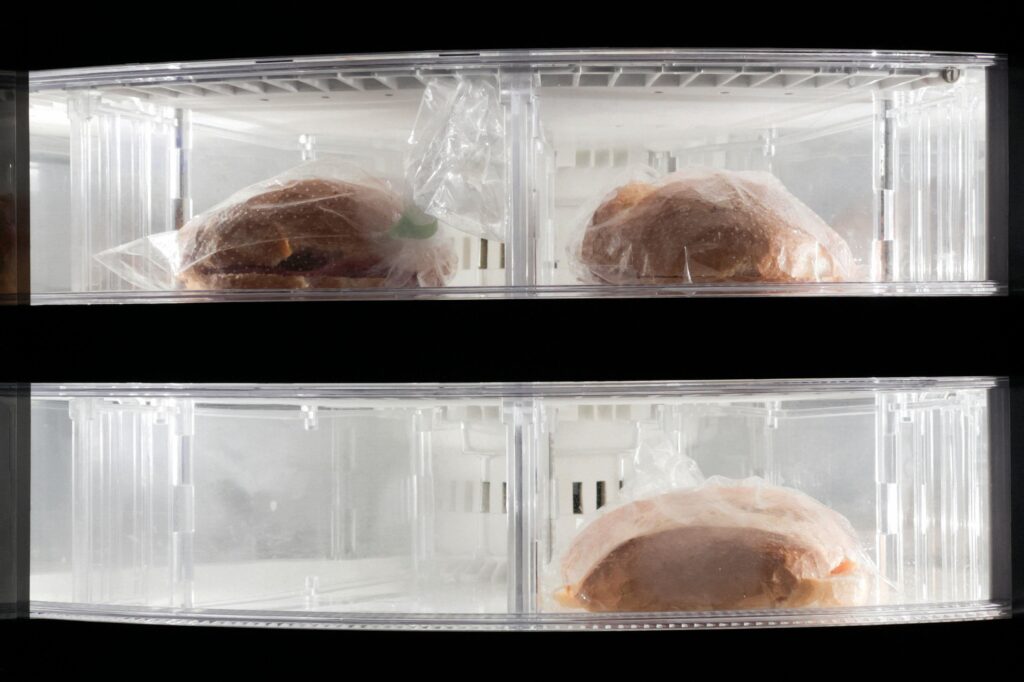
When temperatures rise, and freezers malfunction, the potential for loss can be staggering—both financially and in terms of the food that goes bad. For businesses in the food industry, a freezer failure can lead to wasted money, lost revenue, and unhappy customers. However, with some thoughtful preparation and strategic planning, you can significantly mitigate these risks. Here are essential tips to help you safeguard against the disastrous effects of a freezer breakdown.
Recognise the Signs of a Failing Freezer
The first step in minimising losses is to be vigilant. Many issues can arise with freezers, from minor glitches to major malfunctions. Early detection can make all the difference. Look out for:
- Inconsistent Temperatures: If your freezer is not maintaining a constant temperature of -18°C or lower, it may be operating inefficiently.
- Frost Buildup: Excessive frost on the evaporator coils hampers airflow and can lead to higher energy costs and worse cooling performance.
- Unusual Noises: Sounds such as grinding, clicking, or hissing may indicate mechanical issues that require immediate attention.
Regular checks and maintenance can prevent many of these problems. Consider adopting a routine to inspect the equipment, noting any irregularities that could signal an impending failure.
Implement a Backup Plan
When a freezer fails, time is of the essence. Creating a contingency plan can drastically reduce potential losses. Consider the following strategies:
1 Emergency-Ready Freezer Rental: Renting an emergency freezer can be a lifesaver during a breakdown. By having access to an additional unit, you can quickly transfer perishable inventory, thus avoiding spoilage. These rental services often provide units that are easily portable and can be set up within hours, allowing you to keep your operations running smoothly. For more information on emergency-ready freezer rental, check out Icecool Trailers.
2 Backup Power Supply: Invest in a generator. Sometimes, power outages accompany freezer failures. A backup power source can keep your equipment functioning until repairs are made or power is restored.
3 Inventory Management System: Invest in a robust inventory management system that tracks expiry dates and alerts you when items are nearing spoilage. This allows you to prioritise the use of products that need to be consumed quickly, reducing potential waste.
Train Your Staff
Your team is your first line of defence when it comes to preventing freezer failures and minimising losses. Ensure that all staff are well-informed about proper freezer operation and maintenance. Training sessions should cover:
- Correct Loading: Overloading a freezer can lead to inefficient cooling. Teach staff how to load freezers properly, focusing on airflow to ensure even freezing.
- Opening Procedures: Ensure that employees understand the importance of limiting the time that the freezer is open. Every second counts when trying to maintain low temperatures.
- Emergency Protocols: Make sure everyone knows the procedures to follow if an issue arises. Quick action can make the difference between minor inconvenience and significant loss.
Consider Regular Maintenance
A proactive maintenance schedule is critical for keeping your freezer in top shape. Investing in regular servicing can help identify potential issues before they escalate into serious problems. Key areas to focus on include:
- Defrost Cycles: Regularly cleaning and defrosting helps maintain efficiency and prolongs the life of the unit.
- Seal Integrity: Check door seals regularly to ensure they’re airtight; weak seals can cause temperature fluctuations.
- Compressor Function: The compressor is the heart of your freezer. Ensure that it’s functioning properly and without any obstructions.
Many businesses overlook maintenance until it’s too late. By committing to a routine check, you can avoid inconvenient surprises.
Monitor Temperature and Humidity
In addition to keeping an eye on your equipment, invest in temperature and humidity monitoring systems. Modern technology allows for real-time data tracking, which can alert you immediately to any anomalies. Many devices now come with mobile alerts, giving you the ability to act fast—even when you’re not on-site.
Investing in this tech can save you from a calamity. A temperature spike during off-peak hours can go unnoticed, resulting in a loss of inventory. By having an early warning system, you can take action before a crisis hits.
Establish a Relationship with a Repair Service
Having a reliable repair service on speed dial is essential. During a crisis, you need fast action; therefore, establishing a professional relationship with a technician ahead of time means faster response times when issues arise. Look for technicians who specialise in commercial freezer units and have good reviews from other local businesses.
Concluding Thoughts
Freezer failures can occur unexpectedly, leaving a trail of losses in their wake. However, with the right strategies in place, you can significantly reduce the impact on your business. Regular checks and maintenance, emergency contingency plans, staff training, temperature monitoring, and a strong relationship with a repair service are all critical components in your fight against potential losses.
By being proactive today, you can make sure that your business stays cool—even in the heat of a crisis. A well-prepared approach keeps your inventory safe, your customers happy, and your profitability intact.
 Culinary Expert
Edward brings a wealth of knowledge to the Food Meal Trail team, specializing in culinary techniques and gourmet cooking. With years of experience in professional kitchens, he shares his insights through engaging articles that simplify complex recipes. Edward is passionate about helping home cooks elevate their skills and create memorable dining experiences.
Culinary Expert
Edward brings a wealth of knowledge to the Food Meal Trail team, specializing in culinary techniques and gourmet cooking. With years of experience in professional kitchens, he shares his insights through engaging articles that simplify complex recipes. Edward is passionate about helping home cooks elevate their skills and create memorable dining experiences.