The Allure of Southeast Asian Street Food
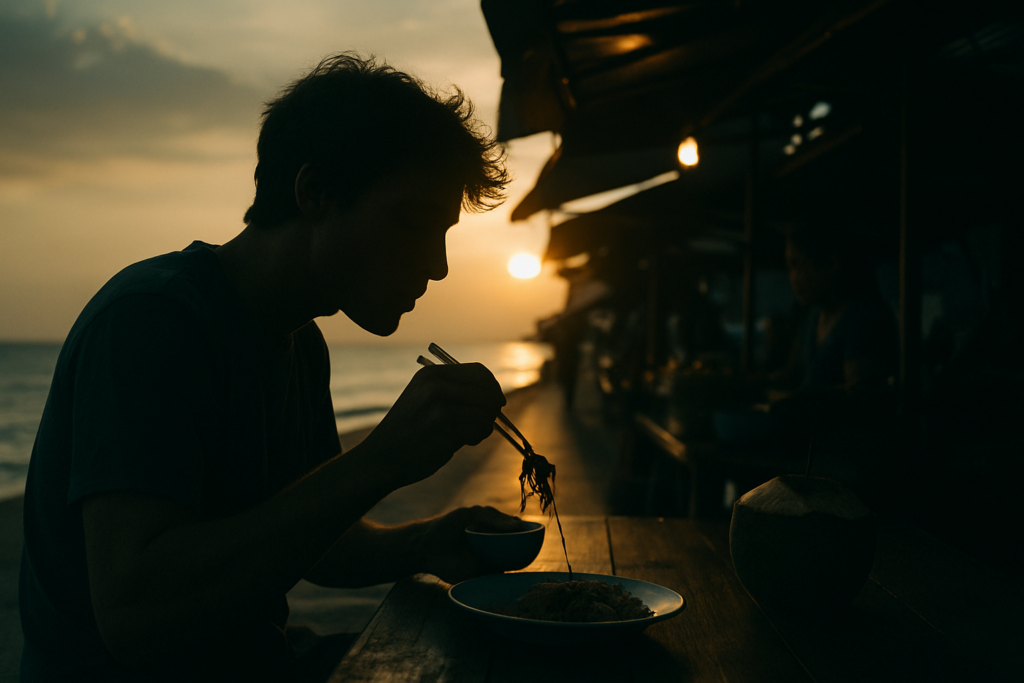
Street food isn’t just convenient in Southeast Asia it’s deeply rooted in daily life. In cities and villages alike, it’s woven into the rhythm of the region: early morning noodles, lunchtime stir fries on sidewalks, grilled skewers lighting up alleys after dusk. Food shows up where the people are, and it’s made to be eaten on the go, shared, or savored curbside under flickering neon lights.
This isn’t random. Centuries of migration, trade, and local tradition have shaped the street food scene. You taste history in every meal: Chinese wok techniques in a Thai pad see ew, Indian spices infused into Malaysian roti canai, or Khmer herbs simmered into Cambodian amok. Rituals and rhythms drive it all family run stalls passing down recipes, vendors prepping from before sunrise, locals returning to the same cart every day like clockwork.
Affordability plays a big part in the draw, too. You don’t need a reservation or a fancy restaurant to eat incredibly well. For the price of a grocery store sandwich back home, you can get a fresh, hot, balanced meal and often watch it made from scratch. That transparency also turns into trust. Across much of Southeast Asia, street food is safe because turnover is fast, ingredients are local, and good hygiene means loyal customers.
The global love for Southeast Asian street food isn’t just about the flavors, though they’re bold, spiced, and unforgettable. It’s the feeling you’re eating something real, something made with purpose, right in the heart of where life happens.
Thailand
If you land in Bangkok and don’t hit a night market, you didn’t really land. Dotted across the city, these markets are controlled chaos plastic chairs, sizzling woks, and the smell of grilled meat thick in the air. Rama IV Road. Rot Fai Market. Chatuchak on the weekend. You get the idea.
Start basic: Som Tum. Green papaya salad that punches with lime, chili, and fish sauce. Then grab a paper plate of grilled pork or chicken skewers sweet, smoky, perfect with sticky rice. Top it off with mango sticky rice for that sweet salty balance Thailand nails so well.
Don’t overthink it. If there’s a stall with a long line, get in it. Locals know what’s good, and turnover means the food’s fresh. Bonus tip: many spots offer the same dish slightly differently, so don’t expect consistency. Expect flavor, fire, and probably a breeze from a stand fan.
Street Food Beyond Southeast Asia

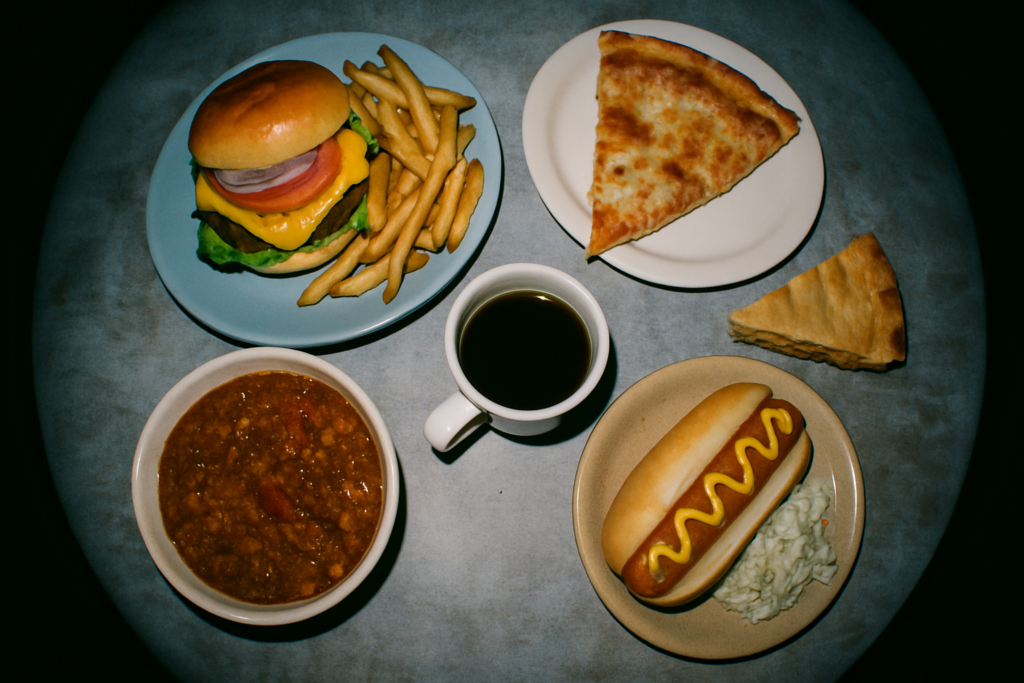
Southeast Asia’s street food scene is loud, fast, and unapologetically hands on. Compared to other regions, it’s less polished than European food trucks and more communal than North American fast casual setups. What sets it apart is its integration into daily life meals cooked and eaten outdoors, often feet from passing scooters, with generations of recipes handed down through smoky woks.
But if there’s one place with a parallel rhythm, it’s Japan. Tokyo’s street food isn’t as chaotic, but it shares the same heartbeat: small stalls doing one thing exceptionally well. Yakitori by the tracks, takoyaki in Osaka alleys, or steamed buns outside train stations Japan and Southeast Asia both turn convenience eating into art.
What links them? Precision, pride, and flavor built at street level. Still, the vibe changes. Southeast Asia brings heat, herbs, and hustle. Japan prefers balance, subtlety, and structure. Together, they show how street food isn’t just about filling up it’s storytelling on a stick.
Explore Tokyo’s lanes for yourself: Tokyo street eats.
How to Eat Like a Local
Timing matters. In many Southeast Asian cities, street food isn’t an all day affair it’s a rhythm tied to the sun and the city’s pace. Early mornings are for breakfast carts serving congee, dough sticks, or rice rolls. Midday draws out lunch stalls with wok fried noodles or fresh grilled meats. Nights come alive with buzzing markets and smoky grills. If you show up at the wrong hour, you miss the magic.
When choosing where to eat, trust your senses. Smell is your best guide if something pulls you in with spice, smoke, or sweetness, follow it. Eye the line too; long queues usually mean food worth waiting for. Scan the setup. A focused menu, fast turnover, and clean prep area usually mean the vendor is a pro.
Cash is king. Don’t overcomplicate things by asking for substitutions or pushing for off menu changes. Keep your order simple, smile, and go with the flow. Local street food isn’t designed to cater to every preference it thrives by doing a few things well, over and over.
Street food etiquette isn’t about rules it’s about respect. Watch, listen, and taste. That’s how you eat like a local.
Takeaways for Travelers
Food isn’t just fuel it’s a language. In Southeast Asia, street food becomes a direct line into culture, history, and community. A bowl of pho in Hanoi or a banana leaf wrapped nasi lemak in Kuala Lumpur tells you more about local life than any guidebook. You eat what the locals eat, how they eat it, and where they gather whether that’s under a tarp at noon or on a plastic stool at midnight.
Street food also matters economically. Most of the vendors are individuals or families running low overhead micro businesses. What you spend goes straight into local pockets. That one dollar skewer or soup is helping someone pay rent or send their kid to school. And when thousands of travelers prioritize that model, it keeps small food economies thriving.
The mindset? Stay open. Ask questions. Try the thing you can’t pronounce. Food rewards curiosity especially when you’re hungry enough to let it lead.
 Food Travel Writer
Suzette is the adventurous spirit of the team, exploring culinary landscapes around the globe. Her love for food and travel inspires her to create engaging guides that highlight local cuisines and hidden gems. Through her writing, Suzette takes readers on a journey, encouraging them to discover new flavors and cultures while savoring their meals.
Food Travel Writer
Suzette is the adventurous spirit of the team, exploring culinary landscapes around the globe. Her love for food and travel inspires her to create engaging guides that highlight local cuisines and hidden gems. Through her writing, Suzette takes readers on a journey, encouraging them to discover new flavors and cultures while savoring their meals.