
Choosing the Right Knife for the Job
Before diving into technique, it’s critical to understand that the right knife can make all the difference not just in precision, but in safety, comfort, and overall cooking experience.
Know Your Knife Types
Different knives serve different purposes. Here are the three most essential types every home chef should be familiar with:
Chef’s Knife: The ultimate all purpose tool. Its broad, sharp blade works for slicing, chopping, mincing, and dicing virtually any ingredient.
Paring Knife: Ideal for precision tasks like peeling, trimming, and detailed slicing where control is key.
Serrated Knife: Best for cutting through foods with tough exteriors and soft interiors think crusty bread or juicy tomatoes.
Tip: If you’re starting your collection, prioritize a high quality chef’s knife. You’ll use it 80% of the time.
One Great Knife Beats a Block of Dull Ones
A common trap home cooks fall into is buying large knife sets. In reality:
Most of those knives go unused
Dull, low quality blades increase the risk of accidents
A single, well maintained, versatile knife often outperforms a full block of cheap ones
Invest in one or two top tier knives and care for them properly you’ll get better results with less effort.
Knife Maintenance 101
A sharp knife is a safe knife. Learn these basic care habits to keep your blade performing at its best:
Honing: Realigns the blade edge. Do this every few uses with a honing steel.
Sharpening: Actually grinds the blade to restore its edge. Use a whetstone or have it professionally sharpened every few months, depending on use.
Cleaning: Always hand wash your knives never put them in the dishwasher. Dry thoroughly before storing.
Pro Tip: Cutting on hard surfaces like glass or granite dulls your blade faster. Stick with wood or plastic cutting boards.
By starting with the right tools and maintaining them properly, you set the stage for faster prep, better cuts, and safer cooking.
Mastering the Core Techniques
Let’s start with the grip. Skip the death claw or the fingertip dance hold your knife like you mean it. Pinch the blade between your thumb and the side of your index finger, right where the metal meets the handle. Wrap the rest of your fingers around the handle. Your guiding hand? Curl those fingertips in, knuckles forward. They’re your safety rails.
Now to the motions. Rock chop is your go to for softer items herbs, tomatoes, anything you want to slice finely and fast. Keep the knife tip down, rock the blade in a forward arch, and let the rhythm do the work. Push cut is all about control and clean edges great for firm veg like carrots. Push the knife straight forward and down in one motion. Pull slice? Use it when you want clean, delicate cuts think sashimi or paper thin onion. Pull the knife toward you smoothly, minimal pressure.
As for cuts: dicing means uniform cubes; mincing is like dicing’s obsessive cousin keep going until it’s tiny. Julienne gives you matchsticks, and chiffonade is slicing leafy greens into ribbons. Start slow, keep your form tight, and repeat until your hands know the moves better than your brain does.
Building Speed Without Risk
Before you start dreaming about chopping onions at lightning speed, get your basics locked in. Knife safety is non negotiable, and it starts with the claw grip. Tuck your fingertips in and use your knuckles as a guide that way, even if the blade slips, it won’t find skin. Pair that with a stable cutting board (no wobble, no wobble) by sticking a damp towel underneath to keep things level and still.
Muscle memory doesn’t come from doing it fast it comes from doing it right, over and over. Start slow and focus on form. Repetition without rushing lets your hands learn the motion naturally. That’s how speed builds quietly, and without bloodshed.
And don’t race the clock before you can hit the target. Nail accuracy first. Aim for uniform slices, not speed runs. Better knife control means better cooking downstream ingredients cook evenly, and cleanup’s easier. Speed will show up on its own once your cuts are clean and instinctual.
Preparing Ingredients More Efficiently
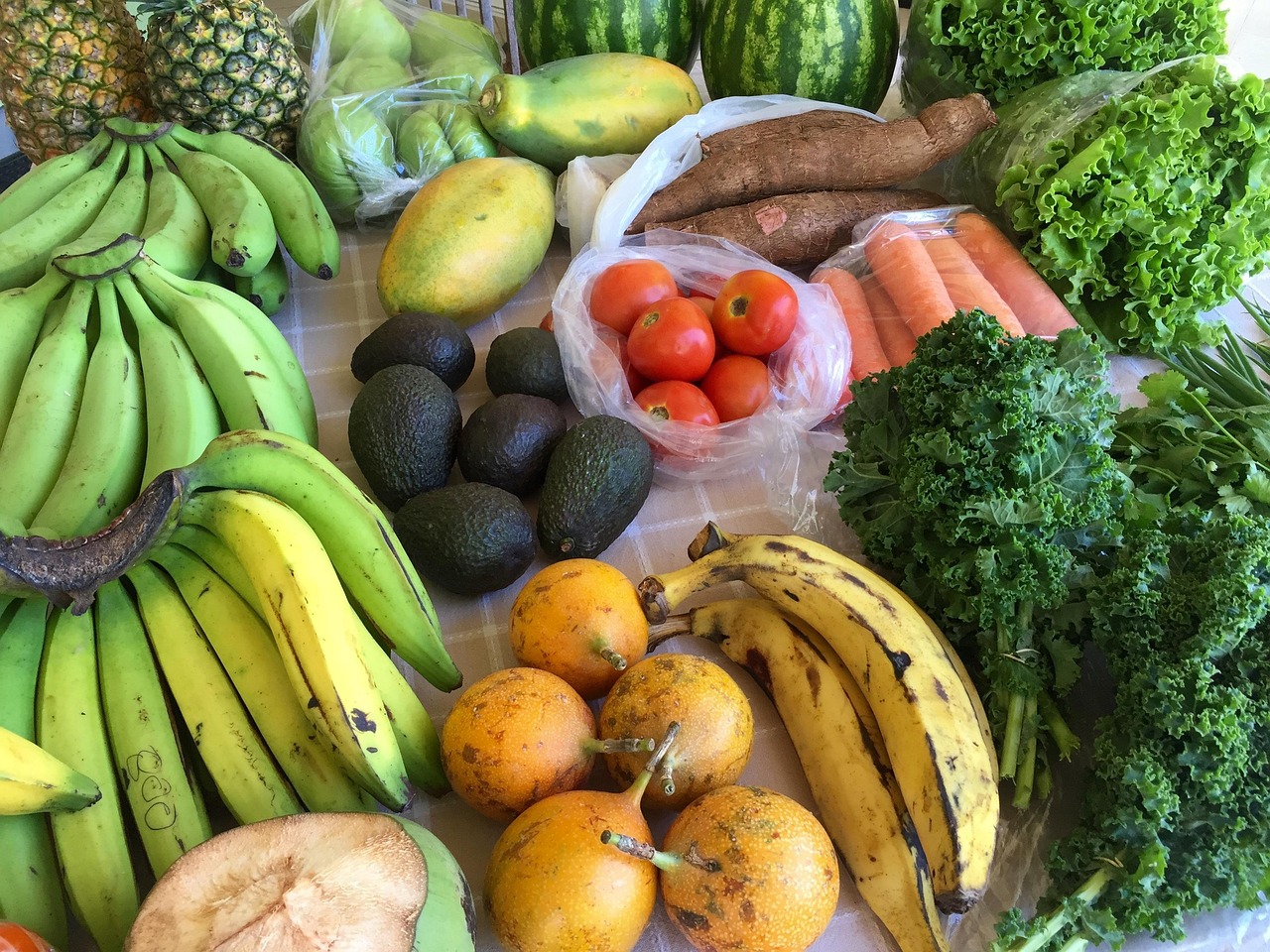
Everything good starts at the cutting board. Trimming proteins is more than just hacking away until it looks right you’re aiming to preserve as much meat as possible while removing silverskin, excess fat, or unwanted sinew. Use long, confident strokes with a sharp knife, and let the blade do the work. Chicken, beef, fish they all have their quirks, but waste should always stay low.
Same goes for veggies. Bruised, beaten up produce won’t cook evenly and definitely won’t look good on the plate. Use a sharp blade and don’t press too hard. A clean slice minimizes cell damage and helps retain color, texture, and flavor. For anything tender like herbs or tomatoes, keep your knife razor sharp and your cuts deliberate.
Why does all this matter? Because great knife work makes everything downstream easier. Uniform sizing means even cooking. Smooth cuts mean better sautéing less sticking, more caramelization, and just better flavor all around. Ready to level up? Start by mastering ingredient prep before you even think about turning on the stove. It’s the quiet skill that makes sautéing like a pro actually possible.
Mistakes to Avoid
Even seasoned home cooks make mistakes that can compromise safety, efficiency, and the life of their knives. Knowing what not to do is just as important as learning proper technique.
Dull Blades Are Dangerous
A dull knife requires more force to cut, which can lead to slips and injuries. Counterintuitive as it may seem, sharper knives are actually safer because they cut predictably and require less pressure.
Sharper blades are easier to control
Use a honing rod regularly to maintain your edge
Sharpen fully when honing is no longer effective
Improper Grip and Posture
Your grip affects not only precision but also long term comfort and safety. A poor grip can quickly fatigue your hands and lead to uneven cuts or worse, accidents.
Use a “pinch grip” where your thumb and forefinger rest on the blade and other fingers wrap the handle
Keep your shoulder relaxed and your wrist aligned
Stand square to the counter with stable footing
Never Clean Knives in the Dishwasher
Dishwashers may seem convenient, but they’re a fast track to ruining your knives. The high heat and jostling during the cycle can damage the blade and dull the edge.
Always wash knives by hand with warm, soapy water
Dry immediately to avoid rust or water spots
Store away from other utensils to preserve the edge
Avoiding these common pitfalls will help extend the life of your knives and your fingertips.
Next Level Knife Skills
Once you’ve mastered the fundamentals, it’s time to elevate your knife work beyond the basics. These more advanced techniques not only expand your culinary potential but also improve the efficiency and precision of your cooking at every step.
Advanced Knife Techniques
Fine tuning your approach to specialty tasks helps you work smarter and waste less.
Boning and Filleting
Boning: Ideal for breaking down poultry or larger cuts of meat. Use a boning knife with a narrow, flexible blade to glide along bones with minimal effort.
Filleting: Essential for seafood prep. A fillet knife allows you to carefully remove skin and extract clean cuts from delicate fish.
Segmenting Fruit (a.k.a. Supreme Cuts)
Perfect for citrus fruits like oranges or grapefruits.
Use a paring knife to slice away the peel and pith, then follow the membrane lines to segment clean wedges with no bitterness.
Knowing When to Switch Knives
Understanding which knife suits the task can save time and frustration. Consider these guidelines:
Chef’s knife: Best for most chopping, slicing, and dicing
Paring knife: A go to for detail work like peeling or coring
Serrated knife: Ideal for tomatoes, crusty bread, and foods with delicate exteriors and soft interiors
Boning/fillet knives: Use when precision around bone or skin is essential
Switching knives during prep isn’t a sign of inefficiency it’s a habit of a thoughtful cook focused on results.
Pair Your Skills with Smarter Cooking Techniques
Efficient knife work should flow into your cooking methods. Clean, even cuts promote even cooking and better presentation, especially when techniques like sautéing come into play.
Uniform slices mean consistent heat exposure and texture
Clean cuts reduce bruising, especially with fresh herbs or delicate proteins
Prepped ingredients cook faster and look more professional on the plate
Leverage your knife skills to support techniques like sautéing like a pro and you’ll see the difference in both flavor and finesse.
Keep Sharpening Your Skills
Why Knife Skills Matter in Every Dish
Good knife skills are more than a flashy kitchen trick they’re the backbone of efficient, flavorful cooking. Whether you’re prepping vegetables for a stir fry or slicing cooked meat for serving, the right cuts ensure even cooking, better texture, and more professional looking plates.
Even cuts = even cooking
Clean slices protect flavor and texture
Sharp technique can save time and reduce waste
Simply put, when your knife skills improve, every other part of your cooking follows.
Resources for Continuous Learning
Elevating your knife work is always within reach thanks to a variety of accessible tools:
Online video tutorials Free or paid options from trusted chefs and cooking schools
In person or virtual classes Community centers, culinary schools, and online platforms offer hands on guidance
Books and guides Classics like The Professional Chef outline foundational techniques step by step
Follow the pros Chefs on YouTube, TikTok, and Instagram break down skills in short, visual lessons
Tip: Try focusing on one fundamental skill per week. Practice it until it feels natural, then move to the next.
Practice Makes Precise
The ultimate way to master your knife is through repetition. The more you chop, slice, and dice with intention, the faster your confidence builds. Don’t rush speed comes with accuracy over time.
Start slow with proper form
Use repetition to build muscle memory
Track your progress by the results on the plate
Knife skills aren’t just part of cooking they’re the first step to mastering the kitchen overall. So keep practicing, stay sharp, and chop like you mean it.
 Founder
Nicoleine is the visionary behind Food Meal Trail, dedicated to inspiring healthier eating habits. With a passion for culinary arts and nutrition, she combines her expertise to provide readers with innovative meal ideas and cooking techniques. Nicoleine believes that food should be both nourishing and enjoyable, and she is committed to sharing her love for wholesome cuisine with the world.
Founder
Nicoleine is the visionary behind Food Meal Trail, dedicated to inspiring healthier eating habits. With a passion for culinary arts and nutrition, she combines her expertise to provide readers with innovative meal ideas and cooking techniques. Nicoleine believes that food should be both nourishing and enjoyable, and she is committed to sharing her love for wholesome cuisine with the world.