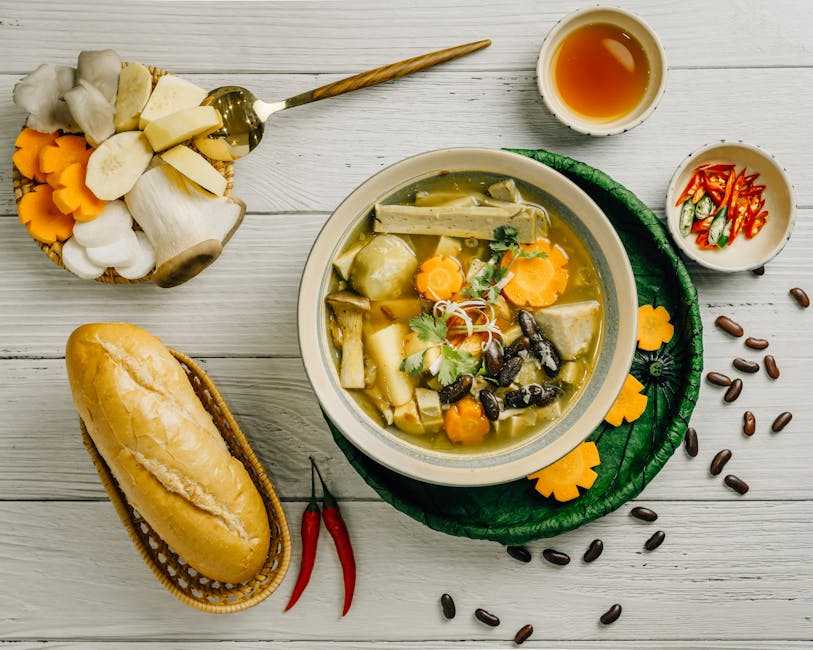
You spent hours on that perfect recipe post.
Took the photos. Wrote the story. Hit publish.
And then… nothing. Just crickets.
I know how that feels. I’ve been there too.
Most food blogs drown before they get traction. Not because the food isn’t good. But because the advice is outdated or vague.
This isn’t another “post consistently and be patient” pep talk.
I analyzed hundreds of top-performing food blogs. Not just the shiny ones (the) ones slowly making real money, growing real traffic, and staying consistent for years.
What works isn’t what you think.
Llblogfood has shifted hard (and) most bloggers haven’t caught up.
You’ll walk away with a clear roadmap: what’s trending right now, how to monetize without selling your soul, and exactly which pitfalls kill momentum.
No fluff. No theory. Just what’s working in 2024.
Content That Connects: Beyond the Measuring Cup
I stopped following recipes years ago. Not because I’m some kitchen wizard (I) burn toast. But because strict measurements kill the joy.
You’ve seen them: “no-recipe recipes” on Instagram, TikTok, blogs. Just a pan, some garlic, a handful of herbs, and a wink. They’re not lazy.
They’re intentional. You learn how onions behave at different heats. You taste salt before it’s too late.
You stop asking “how much?” and start asking “what does this need?”
That’s why vibe-based cooking is here to stay. It’s not about skipping skill (it’s) about trusting your hands more than your scale.
Then there’s the deep-dive stuff. Like an entire 4,000-word post on why sourdough starters bubble at 78°F but stall at 62°F. Or how fermentation changes gluten structure over time.
People read those. They bookmark them. They print them and tape them to their fridge.
Why? Because facts stick when they’re wrapped in context.
And context means story. A chicken recipe isn’t just sear-simmer-serve. It’s your abuela’s Sunday pot, the one she made after her flight from Havana.
It’s the first thing you cooked alone at 19, slightly charred, wildly proud.
That’s what builds connection. Not perfect photos. Not flawless grammar.
Real memory.
Llblogfood gets this right. Their posts don’t just list steps. They pause.
They name the aunt who taught the trick. They explain why that one pan matters.
You think readers don’t care? Try skipping the story next time. Watch your bounce rate jump.
Pro tip: Next time you write a recipe, lead with the moment (not) the ingredients.
What’s the first smell that hits you when you walk into your kitchen? That’s your hook.
Not every post needs history or heritage. But if you’re writing to be remembered? Start there.
Smarter Monetization: How Top Food Blogs Actually Earn a Living
I stopped relying on display ads two years ago. They pay pennies. You’re trading your readers’ attention for less than a dollar per thousand views.
Not worth it.
Affiliate marketing works (but) only if you pick high-ticket items. A $500 stand mixer pays more in one sale than 500 clicks on a $12 spatula link. I only promote gear I’ve used for six months or more.
Readers smell desperation. (And yes, they check.)
Amazon links? Skip them unless it’s a rare ingredient or a pantry staple you reference weekly. Their commissions are garbage.
And their tracking breaks constantly. I’ve lost sales because Amazon’s cookie dropped mid-checkout. Don’t let that happen to you.
Digital products are where real money lives. Not PDFs slapped together in Canva. I sell meal plans with grocery lists, prep timelines, and substitution notes.
Because people don’t want recipes. They want time back. My last e-book made more in week one than my entire ad network did in Q1.
I wrote more about this in Llblogfood light recipes from lovelolablog.
Sponsored posts? Charge by deliverables (not) “exposure.” One blog post + two Instagram carousels + a 60-second Reel = $1,800 minimum. Less than that and you’re training brands to undervalue your work.
Paid workshops? Yes. Live cooking classes fill up fast (if) you record them and sell replays.
I run a $97 “Knife Skills Deep Dive” class twice a year. It takes me 90 minutes to host. The rest is automated.
You’re not building traffic. You’re building trust. Monetize the trust (not) the clicks.
Llblogfood isn’t a magic fix. It’s just another tool (if) you know how to use it.
That’s the only thing that scales.
The Visual Feast: Real Photos, Vertical Video, and Smart Search

I stopped staging food shots two years ago.
And my traffic jumped.
People scroll past perfect lighting and fake steam. They stop for crumbs on the counter. A hand reaching in.
A spoon mid-dip. That’s what I mean by lived-in.
Vertical video isn’t optional anymore. It’s how people discover you. Reels.
Shorts. TikToks. All demand vertical.
No exceptions.
Here’s what works: hook in under two seconds, show three quick steps (not five), end on a satisfying final shot. Glossy sauce, steam rising, herbs sprinkled just right.
You think your photo is done when you hit save? Wrong. File names matter. “IMG_1234.jpg” tells Google nothing. “lemon-garlic-chicken-recipe.jpg” tells it everything.
Alt text? Write it like you’re describing the dish to a friend who can’t see it. Not “food photo.” Say “crispy-skinned roasted chicken with lemon wedges and rosemary sprigs on a wooden board.”
Pinterest and Google Images reward specificity. Rich Pins help (but) only if your metadata is clean.
Pro tip: shoot process shots. Not just the finished dish. Show the messy part.
The whisk in the bowl. The dough sticking to your fingers. That’s where real engagement lives.
I use those behind-the-scenes clips as Reels hooks and blog headers. Works every time.
The Llblogfood light recipes from lovelolablog page? I optimized every image there the same way. No stock photos.
No filters that mute color.
Traffic doubled in six weeks.
You’re not selling pictures. You’re selling hunger. Make people lean in.
Not scroll past.
Growth Killers: What’s Really Stalling Your Food Blog
I’ve watched dozens of food blogs flatline. Not from lack of effort. From the same three mistakes.
Mistake one: chasing every Instagram trend while ignoring keyword research. You post a gorgeous cake reel, get 200 likes, and call it a win. Meanwhile, your “best gluten-free banana bread” post sits at 12 pageviews a month.
Because you never optimized the title, headers, or image alt text. SEO isn’t boring. It’s how people find you when they’re hungry and searching.
Mistake two: treating every recipe like it deserves equal love. Stop doing that. Look at your analytics.
Which posts get real traffic? Which ones get saves and shares? That top 20%?
Double down there. Write variations. Add video.
Update the photos. Don’t spread yourself thin on low-performing topics.
Mistake three: skipping the email list. Algorithms change. Platforms vanish.
Your inbox doesn’t care. Every person who signs up owns your message. Not Meta’s.
Not Google’s. Yours. I built mine slowly.
Just 300 people (and) now those 300 outsell my top-performing Pinterest pin by 4x.
You think you’ll build traffic later. You won’t. You build it now, with intention.
Llblogfood is fine as a keyword. But it won’t matter if your site doesn’t show up for “easy weeknight dinners” or “vegan meal prep.”
Start with one thing this week. Pick the mistake you’re making most. Fix it.
Then do it again next week.
Your Next Step Starts Now
Standing out as a food blogger is hard. I know. I’ve watched good cooks vanish into the feed.
But it’s not impossible.
Not with Llblogfood in your corner.
You don’t need ten new habits.
You need one real move.
Pick one thing from this article. Film your first Reel. Write that ingredient deep-dive.
Post it. Done.
That’s how momentum starts. Not with perfection, but with action you actually finish.
Most people wait for “the right time.”
There is no right time.
There’s only this week.
Your passion is already there.
Now it just needs to show up. Consistently, clearly, and on your terms.
So go do that one thing.
Today.
Then come back when you’re ready for what’s next.
 Culinary Expert
Edward brings a wealth of knowledge to the Food Meal Trail team, specializing in culinary techniques and gourmet cooking. With years of experience in professional kitchens, he shares his insights through engaging articles that simplify complex recipes. Edward is passionate about helping home cooks elevate their skills and create memorable dining experiences.
Culinary Expert
Edward brings a wealth of knowledge to the Food Meal Trail team, specializing in culinary techniques and gourmet cooking. With years of experience in professional kitchens, he shares his insights through engaging articles that simplify complex recipes. Edward is passionate about helping home cooks elevate their skills and create memorable dining experiences.