
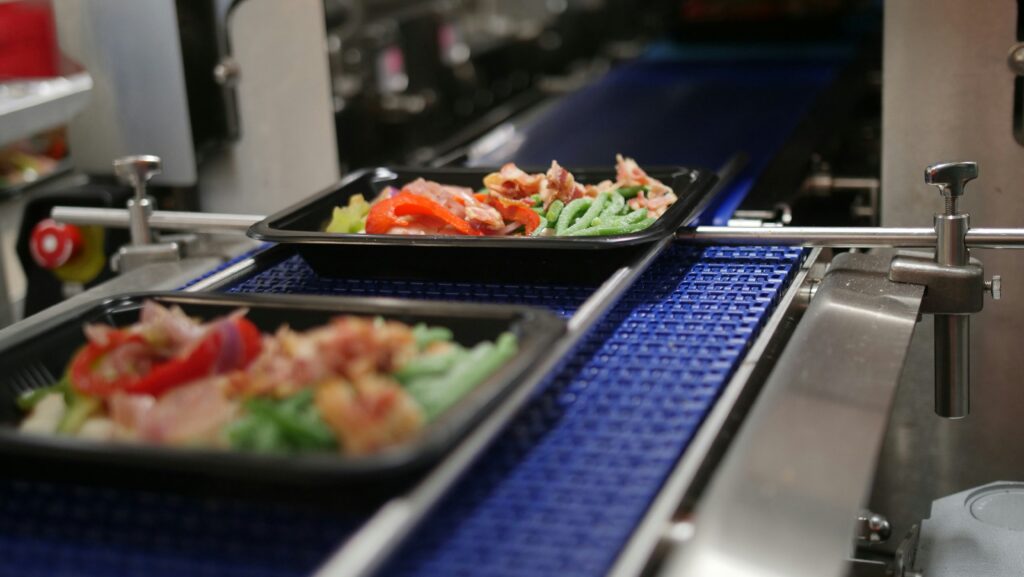
Launching a food product is exciting. You finally have the recipe, branding ideas, and a vision for where your product fits in the market. But then reality kicks in. How exactly are you going to make enough product to meet demand without spending a fortune on equipment, staff, and production space?
This is where many food businesses begin looking into contract manufacturing food as a practical way to grow. Instead of building a manufacturing operation from scratch, businesses partner with an external manufacturer to produce their products at scale.
At first glance, it sounds simple. Hand over your recipe and let someone else handle production. But there is a lot more to it than that. If you are considering this path, there are a few important things worth understanding before jumping in.
What Is Contract Food Manufacturing?
Contract food manufacturing is when a third-party company produces food products on behalf of another brand. The manufacturer handles production while the food business focuses on areas like branding, sales, marketing, and customer growth.
This model is common across many food categories, including:
- Sauces and condiments
- Snacks and packaged foods
- Beverages
- Frozen meals
- Health and wellness products
- Bakery items
For many businesses, it offers a faster and more affordable way to scale compared to managing production internally.
Why Food Brands Choose Manufacturing Partners
One of the biggest reasons businesses choose a manufacturing partner is cost.
Setting up a food production facility can be incredibly expensive. Equipment, certifications, staff, warehousing, food safety systems, and compliance all add up quickly.
By working with an established manufacturer, businesses can avoid major upfront investments and start producing at larger volumes much sooner.
There are other benefits too:
Faster Growth Opportunities
When demand increases, scaling production in-house can become difficult. A manufacturing partner often already has the equipment and systems needed to handle larger production runs.
This can help businesses move from local markets into larger retail opportunities without major delays.
Access to Industry Expertise
Experienced manufacturers understand production processes, food safety requirements, ingredient sourcing, shelf life considerations, and packaging challenges.
That experience can help prevent costly mistakes, especially for businesses launching their first product.
More Time to Focus on the Brand
Most food founders did not start their business because they dreamed of managing factory operations.
Outsourcing production gives business owners more time to focus on product development, customer relationships, marketing, and distribution.
Not Every Manufacturer Will Be the Right Fit
Choosing a manufacturer is not just about price. In many cases, the cheapest option ends up costing more later if product quality drops or communication becomes difficult.
Before choosing a partner, ask questions like:
What Are Their Minimum Order Quantities?
Some manufacturers only work with very large production runs. Others are more flexible and suitable for emerging brands.
If you are still testing demand, committing to huge quantities may create unnecessary risk.
Do They Have Experience With Similar Products?
A manufacturer specialising in sauces may not be the best fit for protein snacks or frozen foods.
Experience matters because different food products require different handling, equipment, and compliance standards.
What Quality Control Processes Do They Follow?
Consistency matters in food manufacturing.
Customers expect the same taste, texture, and quality every time they buy a product. Ask potential partners about their quality assurance systems and food safety certifications.
How Transparent Are They?
Good communication makes a big difference.
You want a manufacturing partner that keeps you informed about timelines, delays, ingredient shortages, and production expectations. A lack of communication early on is often a warning sign.
Understand the Hidden Costs
One mistake many businesses make is focusing only on the quoted production price.
There may also be additional costs such as:
- Packaging setup fees
- Ingredient sourcing costs
- Freight and logistics
- Product testing
- Storage fees
- Label compliance updates
Understanding the full cost structure upfront helps avoid surprises later.
Start Small if Possible
If you are entering a new market or launching a new product, it can make sense to start with smaller production runs where possible.
Testing demand first gives businesses valuable feedback without overcommitting inventory or cash flow.
It also creates room to improve packaging, flavour, or positioning based on customer reactions before scaling up.
Building a Strong Long-Term Partnership
A good manufacturing relationship should feel like a partnership, not simply a transaction.
The best results usually come when both sides communicate clearly, share expectations, and work collaboratively to solve challenges.
For food businesses with growth ambitions, the right manufacturing partner can make expansion far more achievable. Taking the time to choose carefully, ask the right questions, and understand the process can save considerable stress later and put your product in a much stronger position for long-term success.
 Culinary Expert
Edward brings a wealth of knowledge to the Food Meal Trail team, specializing in culinary techniques and gourmet cooking. With years of experience in professional kitchens, he shares his insights through engaging articles that simplify complex recipes. Edward is passionate about helping home cooks elevate their skills and create memorable dining experiences.
Culinary Expert
Edward brings a wealth of knowledge to the Food Meal Trail team, specializing in culinary techniques and gourmet cooking. With years of experience in professional kitchens, he shares his insights through engaging articles that simplify complex recipes. Edward is passionate about helping home cooks elevate their skills and create memorable dining experiences.