

You’ve stood in front of the stove at 6:47 p.m., hungry and impatient, staring at a pile of weird-looking chilies you bought on a whim.
That sizzle of garlic in hot oil? The bright punch of fresh cilantro? The tang of fermented chilies hitting your nose before it hits your tongue?
It should be possible in under 30 minutes.
But most recipes demand three-hour marinades. Or ingredients you’ll need to drive across town to find. Or a mortar and pestle (which you don’t own).
I’ve tested these recipes in tiny apartments with one burner. In dorm rooms with just a hot plate. In kitchens where the only knife is slightly dull.
No fancy gear. No pantry deep dive. Just real food, fast.
This isn’t about museum-perfect authenticity. It’s not a dissertation on fermentation history.
It’s about making something you crave, tonight, with what’s already in your fridge.
I’ve cooked these dishes for people avoiding dairy, gluten, soy (and) for people who just hate chopping onions.
They all work. Every time.
Quick Recipe Jalbiteworldfood means exactly that. Not “quick-ish.” Not “if you’re lucky.” Quick.
You’ll get clear steps. Real timing. No bait-and-switch.
And yes (that) garlic really does sizzle.
What Makes a Recipe Truly ‘Easy’ in Jalbiteworldcuisine?
I used to think “easy” meant “watered down.” Wrong.
Jalbiteworldfood taught me otherwise. Real ease has rules: ≤8 ingredients, no counting salt or oil. Fifteen minutes of active time (not) “bake for an hour while you nap.” And zero specialty tools.
If it needs a mortar and pestle or a fermentation crock, it’s not easy. It’s homework.
Authentic doesn’t equal hard. Ever had quick-pickle kimchi made in 10 minutes? Or stir-fried spinach with garlic and sesame oil?
Those aren’t shortcuts. They’re tradition (just) the kind that respects your time.
Gochujang isn’t cheating. It’s smart. Frozen dumpling wrappers?
Same thing. Rice vinegar stands in fine for aged nuruk vinegar (the) flavor stays sharp and bright.
You’re not losing depth. You’re losing friction.
Here’s how it shakes out:
| Dish | Classic Version | Weeknight Version |
|---|---|---|
| Kimchi | 3-day ferment, 12+ ingredients | Quick-pickle: 8 min, 6 ingredients |
| Mandu | Hand-rolled dough, 2-hour filling prep | Frozen wrappers, 15-min filling |
| Doenjang Jjigae | Homemade paste, 4-hour stock | Store-bought doenjang, veggie broth |
All three keep their soul. Just not their schedule.
That’s what a Quick Recipe Jalbiteworldfood actually delivers.
No compromises. Just clarity.
The 5-Ingredient Stir-Fry That Lies to Your Taste Buds
I make this at least twice a week. It takes 12 minutes. Tops.
Jalbiteworldcuisine Stir-Fried Spicy Beef & Cabbage is the real name. But I call it “the liar” (because) it tastes like it marinated for hours and simmered low.
Here’s how:
Heat your wok until smoke rises. Not almost smoking. Smoke. Add 1 tbsp oil, then 12 oz thinly sliced beef (flank or skirt).
Cook until edges curl and turn golden brown (that’s) umami lock-in. Don’t stir for 30 seconds. Let it sear.
While that happens, mix 2 tbsp gochujang, 1 tbsp soy sauce, and 1 tsp sugar in a bowl. Done. No tasting.
No adjusting. This glaze works.
Toss in 6 cups shredded cabbage (not sliced (shredded) cooks faster and soaks up more glaze). Stir-fry 90 seconds. Done.
Why shredded? Because it wilts fast but keeps crunch. Sliced cabbage fights you.
Shredded surrenders.
Substitutions? Ground turkey: drier, less chew. Add 1 tsp sesame oil at the end.
Bagged coleslaw mix: fine. Just drain any excess moisture (soggy) cabbage steams instead of sizzles. Tamari: use it.
I wrote more about this in Jalbiteworldfood quick recipe.
Tastes cleaner. Less salty punch.
If your stir-fry steams instead of sizzles? Wipe the wok dry. Heat 60 seconds longer before adding oil.
(Yes, really.)
This isn’t fancy. It’s honest. Fast.
And it delivers way more than five ingredients should.
The best part? You can find the full method and timing cues on the original post (but) honestly, just follow what’s above. That’s all you need.
Quick Recipe Jalbiteworldfood is the kind of thing you text to your sister at 5:45 p.m. on a Tuesday.
No-Cook, No-Stove Jalbiteworldcuisine Bowls
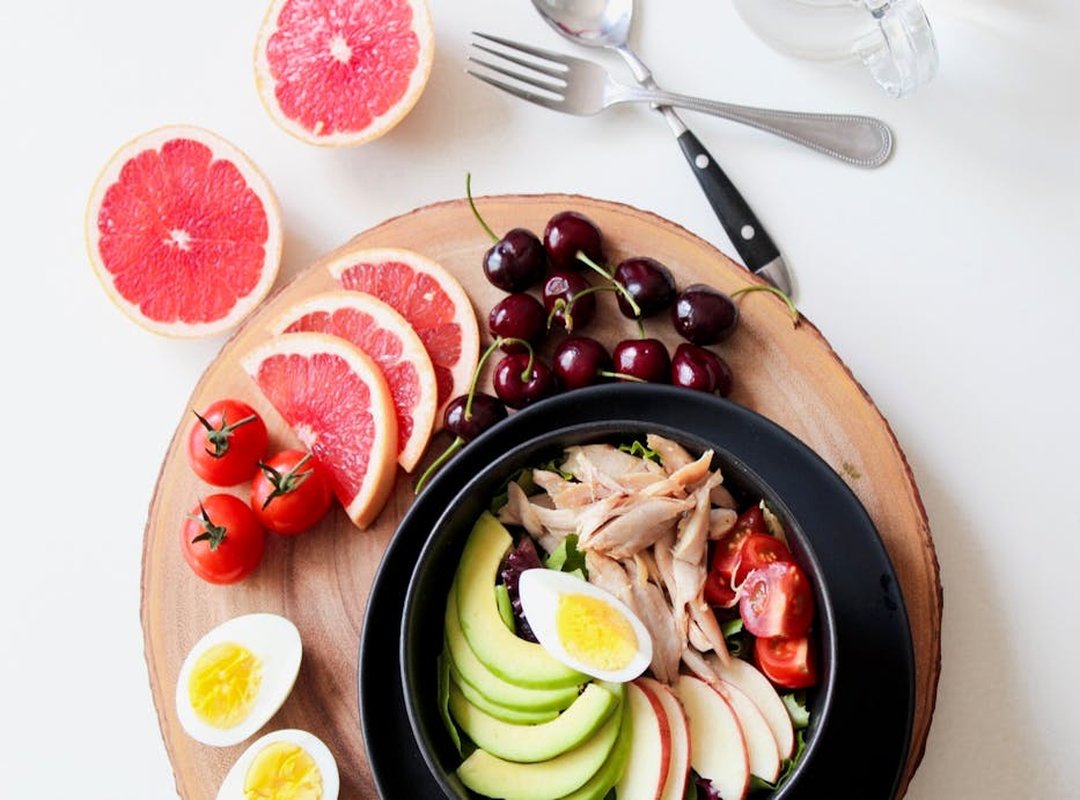
I stopped cooking for lunch. Not forever. Just on days when opening a cabinet feels like climbing Everest.
Raw foundation + bold dressing + smart toppings is how I get Jalbiteworldcuisine flavor without heat. No stove. No pan.
No guilt.
The base is always crunchy, cool, and raw. Cucumber. Radish.
Maybe some shredded cabbage if I’m feeling ambitious.
My go-to is Quick Pickled Cucumber & Radish Salad. Brine is dead simple: 1:1 vinegar to water, plus 1 tsp sugar and ½ tsp salt. Fifteen minutes minimum.
Up to five days in the fridge.
Acidity cuts richness. Fat (like sesame oil) softens sharpness. That balance is why these bowls don’t taste like punishment.
I add tofu crumbles and torn nori for vegan days. Or shredded rotisserie chicken and scallions when I need real protein.
Both use the same base. Same dressing. Same 15-minute prep.
You’re thinking: Can this really hold up? Yes. Especially if you toast the sesame seeds first.
The Jalbiteworldfood Quick Recipe page has the full dressing ratios and timing notes.
Pro tip: Make two batches of brine at once. One for today. One for Thursday.
No-cook doesn’t mean no-flavor.
It means less cleanup.
More eating.
Pantry Staples That Won’t Lie to You
I bought perilla leaves three times before I admitted they rot faster than my motivation on a Monday.
Gochujang is non-negotiable. It’s fermented chili paste (sweet,) spicy, funky, and works in marinades, stews, dressings, even mayo. Sempio or Chung Jung One are the only brands I trust for balance.
Toasted sesame oil beats raw every time. Heat unlocks the nuttiness. Store it cool and dark.
It won’t go rancid fast. But if it smells like old peanuts, toss it.
Doenjang? Solid backup. Less versatile than gochujang, but great in soups and braises.
Keep it refrigerated after opening.
Fish sauce (yes,) but Thai fish sauce (Red Boat or Three Crabs), not Korean aekjeot. The salt punch matters more than tradition here.
I go into much more detail on this in Quick recipes jalbiteworldfood.
Rice vinegar over seasoned rice vinegar. Skip the sugar and control it yourself.
Soy sauce: low-sodium tamari or Kikkoman. Not the fancy artisanal kind. It’s just salt and umami.
Done.
Now the skip list:
Fresh perilla leaves. Wilt in two days. Sub with shiso or even spinach in wraps.
Dried kelp. Dashima broth is nice, but store-bought dashima powder or even kombu tea bags work fine. Korean pear (expensive,) inconsistent, and apples or Asian pears substitute cleanly.
Store gochujang in the fridge after opening. It lasts 12+ months. Discard only if mold appears (rare) or separation won’t recombine with stirring.
Starter kit total: $23.78 at Kroger. Gochujang ($6.99), toasted sesame oil ($5.49), doenjang ($3.99), fish sauce ($3.29), rice vinegar ($1.99), soy sauce ($2.49), and tamari ($1.49).
Your First Jalbiteworldcuisine Bite Starts Tonight
I made this simple on purpose. Not because flavor doesn’t matter. It does (deeply.)
You don’t need ten spices or three hours.
You need one Quick Recipe Jalbiteworldfood, real technique, and the guts to turn on your stove tonight.
Still thinking about “getting it right”?
What if you just… cook?
Pick one recipe from the list. Grab the ingredients after work. Cook it before bedtime tomorrow.
No planning. No second-guessing. Just heat, taste, and that first bold, unmistakable bite.
Your kitchen isn’t missing authenticity.
It’s ready for its first effortless, unforgettable bite.
Do it.
Tonight.
 Culinary Expert
Edward brings a wealth of knowledge to the Food Meal Trail team, specializing in culinary techniques and gourmet cooking. With years of experience in professional kitchens, he shares his insights through engaging articles that simplify complex recipes. Edward is passionate about helping home cooks elevate their skills and create memorable dining experiences.
Culinary Expert
Edward brings a wealth of knowledge to the Food Meal Trail team, specializing in culinary techniques and gourmet cooking. With years of experience in professional kitchens, he shares his insights through engaging articles that simplify complex recipes. Edward is passionate about helping home cooks elevate their skills and create memorable dining experiences.