Few ingredients in the culinary world offer as much versatility and comfort as the humble potato. This underground tuber has sustained civilizations for centuries, as it adapted to numerous cuisines and cooking methods while remaining affordable and accessible. From crispy fries to creamy mash, they have secured their place as a kitchen staple that never goes out of style.
The vegetable originated in South America over 7,000 years ago, where indigenous peoples first cultivated this nutritious crop. Today, it ranks as the fourth most important food crop globally, following rice, wheat, and corn. They provide essential nutrients and dietary fiber, especially when eaten with the skin intact.
Potatoes require patience during preparation, with many recipes involving significant waiting periods for soaking, boiling, or baking. During these intervals, home cooks often multitask by preparing other meal components, cleaning their workspace, or taking a brief break. They may check their phones or play casual games such as royal fishing game, while timers count down. This downtime makes potatoes particularly forgiving for busy cooks who appreciate recipes that allow for occasional distraction without ruining the final result.
Classic Potato Preparations
Mashed Potatoes
The key to a perfect mash involves cooking them until completely tender, draining them thoroughly, and mashing while still hot. Adding warm milk or cream prevents the mixture from becoming gluey, and butter incorporated at the end creates rich, silky results. Season generously with salt and white pepper for traditional flavor.
Roasted Potatoes
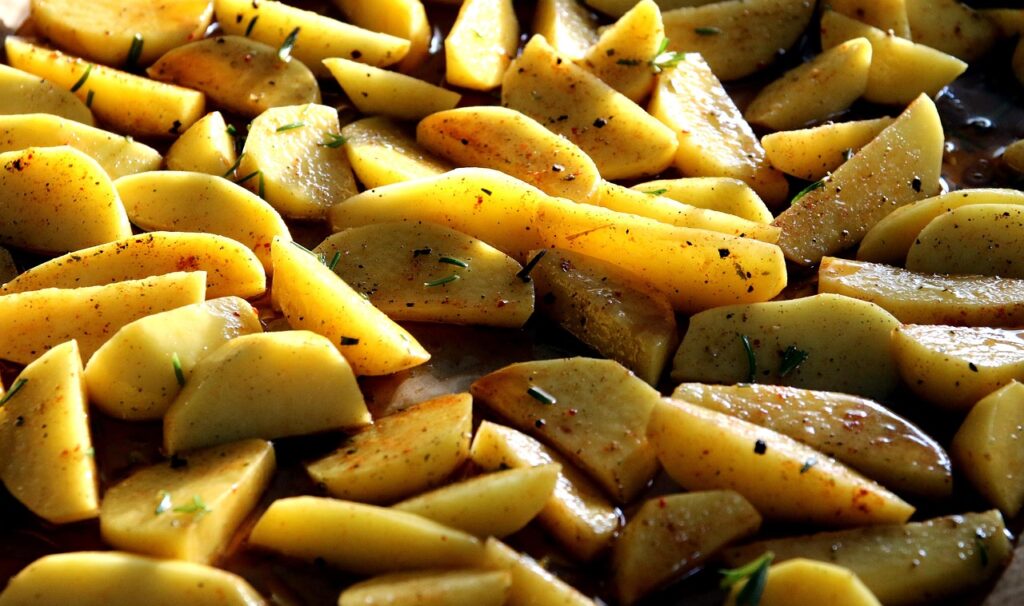
Roasting brings out the natural sweetness in potatoes while creating crispy exteriors and fluffy interiors. Here is how to make them:
- Cut your vegetables into uniform pieces to ensure even cooking
- Parboil them for five minutes before roasting to guarantee crispy edges
- Toss with olive oil, salt, and herbs like rosemary or thyme, then roast at 425 degrees Fahrenheit for 35 to 40 minutes.
The high heat caramelizes the exterior while the interior becomes tender and creamy. For extra fluffiness, add a bit of baking soda to the water when the potatoes are boiling.
Creative Recipes
Hasselback Potatoes
Make thin slices across each potato without cutting all the way through to create an accordion effect. Brush with melted butter, season with salt and herbs, and bake until the slices fan out and become crispy. The technique allows seasonings to penetrate throughout while creating maximum surface area for crispiness.
Potato Pancakes
Grated potato pancakes appear in cuisines worldwide under different names including latkes, rösti, and boxty. Grate raw potatoes and squeeze out excess moisture using a clean kitchen towel. Mix with eggs, flour, and seasonings, then pan-fry in hot oil until golden brown on both sides. Serve immediately while crispy with sour cream, applesauce, or smoked salmon.
Loaded Potato Skins
Transform baked potato shells into appetizers by scooping out most of the interior, brushing with oil, and baking until crispy. Fill with cheese, bacon, green onions, and sour cream for classic loaded skins, or experiment with different toppings like pulled pork, buffalo chicken, or Mediterranean vegetables with feta cheese.
French Fries

Russet potatoes create the crispiest fries due to their low moisture and high starch content. Cut them into uniform strips, soak in cold water for at least 30 minutes to remove excess starch, and dry thoroughly. The double-frying method produces superior results by frying once at 325 degrees Fahrenheit until cooked through, then again at 375 degrees until golden and crispy.
Essential Tips
● Choose the Right Variety
Russet potatoes excel in baking, frying, and mashing due to their high starch content. Yukon Gold variety offers a buttery flavor and holds its shape well, which makes it ideal for roasting and salads. Red and fingerling potatoes work beautifully in dishes requiring firm texture, like gratins and stews.
● Cook Correctly
Always start potatoes in cold water when boiling to ensure even cooking from the exterior to the center. Adding salt to the cooking water seasons them throughout rather than just on the surface. For maximum flavor in roasted potatoes, avoid overcrowding the pan, which causes steaming instead of roasting and prevents proper browning.
● Store Properly
Store potatoes in a cool, dark, dry place but never in the refrigerator, as cold temperatures convert starches to sugars and create undesirable sweet flavors and darker coloring when cooked. Keep them away from onions, which release gases that accelerate spoilage in both vegetables.
 Culinary Expert
Edward brings a wealth of knowledge to the Food Meal Trail team, specializing in culinary techniques and gourmet cooking. With years of experience in professional kitchens, he shares his insights through engaging articles that simplify complex recipes. Edward is passionate about helping home cooks elevate their skills and create memorable dining experiences.
Culinary Expert
Edward brings a wealth of knowledge to the Food Meal Trail team, specializing in culinary techniques and gourmet cooking. With years of experience in professional kitchens, he shares his insights through engaging articles that simplify complex recipes. Edward is passionate about helping home cooks elevate their skills and create memorable dining experiences.