
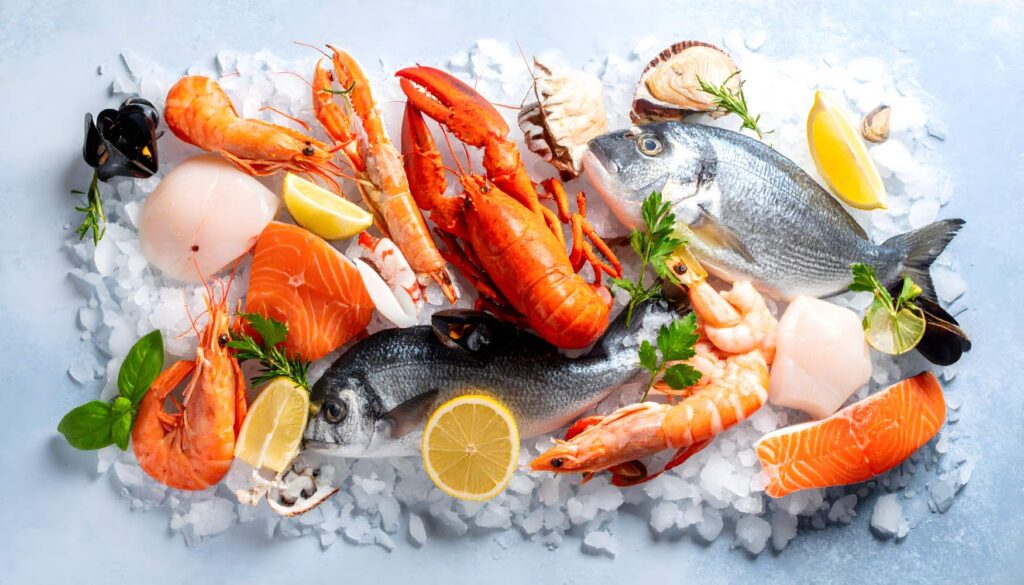
Incorporating seafood into a weekly meal plan is a proven strategy for enhancing nutritional intake and culinary variety. Seafood is a premier source of lean protein, omega-3 fatty acids, and essential vitamins and minerals. However, many households perceive it as a luxury item, typically due to price volatility and uncertainty in selection and preparation.
With strategic planning and informed purchasing, seafood can be a regular and economical feature on the dinner table. This approach requires a shift in perspective, from viewing seafood as a spontaneous indulgence to treating it as a planned, versatile component of a well-managed grocery budget.
Below are some seafood selection tips for budget-friendly weekly meal plans:
1. Understanding Seafood Market Pricing and Seasonality
The cost of seafood can fluctuate based on supply, which is directly influenced by fishing seasons, weather patterns, and natural migrations. Just like fruits and vegetables, seafood has peak seasons when abundance drives prices down. For instance, wild salmon is typically more affordable during its summer runs, while particular species of cod and flounder may be better priced in the colder months. Savvy shoppers from reputable grocery stores will research which species are currently in high harvest.
Furthermore, prices can vary from one day to the next. Many fishmongers reduce prices on older inventory at the end of the day or week to ensure freshness. Building a relationship with a local fishmonger can also provide invaluable insights into these cycles and lead to direct tips on the best value for that particular day. For instance, checking out reputable resources like the Herdsman Seafood Tips can offer a foundational understanding of what to look for, emphasizing that knowledge is the first step toward economical and safe seafood consumption.
2. Considering Frozen and Canned Options
A significant barrier to budget-friendly seafood online and offline is the misconception that fresh is always superior. In reality, high-quality frozen fish and other seafoods is typically caught and flash-frozen at the peak of freshness, often making it a superior product to “fresh” whole fish that has spent days in transit.
Frozen seafood is a budget-conscious consumer’s best friend. It can help eliminate the pressure to cook immediately, reduce food waste, and is typically less expensive than its fresh counterpart. Individually quick-frozen (IQF) fish fillets, shrimp, and sea scallops allow for using exact portions without thawing a large block.
Similarly, canned and pouched seafood are pantry powerhouses. Canned tuna is a classic, but expanding to canned salmon, sardines, mackerel, and clams can open up a world of affordable possibilities. These products have a long shelf life and are ideal for quick meals, such as salads, pasta, sandwiches, and chowders. Lastly, when selecting canned tuna, opting for chunk light over solid white can yield substantial savings. Rinsing canned seafood can also help reduce its sodium content, which may be a dietary concern.
3. Diversifying the Seafood Palette
Reliance on a few well-known, and often overfished, species, such as Atlantic salmon and shrimp, can drive up their cost. One of the most effective strategies for saving money is to be adventurous and try underutilized species. These are typically just as delicious and nutritious but come with a much lower price tag. It’s best to ask the fishmonger for recommendations on what is local and plentiful. Species like swai, tilapia, mackerel, whiting, or mussels are frequently excellent values. Mussels, in particular, are incredibly cost-effective, cook quickly, and have a decadent flavour.
Farmed species, such as barramundi or certain types of catfish, are also bred for efficiency and are consistently priced year-round in fresh farms. Embracing a wider sustainable choices of seafood can benefit the wallet and support more sustainable fishing practices, while also reducing pressure on popular stocks.
4. Strategic Meal Planning and Portion Control

Integrating seafood into a weekly plan requires a different approach than planning for chicken or beef. The key is to view it as a component of a meal rather than the overwhelming centerpiece. Stretch pricier fillets by incorporating them into dishes where they’re flaked or chopped. A single salmon fillet can be baked, flaked, and mixed into a pasta dish, fish cakes, or a quinoa bowl to serve multiple people.
Moreover, portion control is critical. A standard serving of cooked freshwater fish is four ounces per person. Purchasing exactly what’s needed can help prevent overspending and waste. Planning for two seafood-based meals per week is a realistic and affordable goal for many families. One meal could feature a quicker, canned or frozen option for a busy weeknight, while the other could utilize a fresh or frozen fillet for a more composed dinner. Planning meals that share ingredients can also help cut costs, such as using shrimp in a stir-fry one night and incorporating it into a salad later in the week.
5. Mastering Simple Cooking Techniques
The fear of overcooking or improperly preparing sustainable seafood can deter people from purchasing it. Overcoming this fear is crucial to ensuring that budget-friendly purchases become enjoyable meals. Simple methods are typically the most foolproof and delicious. Baking, broiling, pan-searing, and steaming shellfish and other seafoods are techniques that preserve the natural flavor of the fish without requiring elaborate ingredients.
A quick pan-sear in a hot pan with a small amount of oil can help create a crispy skin on a fillet. Baking en papillote (in parchment paper) allows the fish to steam in its own juices, accompanied by herbs and vegetables, resulting in a moist and flavorful dish with easy cleanup. For shellfish like mussels or clams, a simple steam in a pot with white wine, garlic, and herbs can create an impressive meal in minutes. The confidence to cook seafood properly can also ensure that no money is wasted on a disappointing final product that may discourage future purchases in a fish market and no risk of food poisoning and other foodborne illnesses may happen.
Final Thoughts
By adopting these strategies, seafood can transition from a sporadic treat to a regular, budget-friendly staple that improves food safety and enhances the health and flavour profile of any weekly meal plan of seafood buyers.