

2107872680: The Basics
Let’s strip it down. The number 2107872680 is formatted as a U.S.based number from the 210 area code, which is specific to San Antonio, Texas. Just knowing the geographic location is helpful—it narrows the possibilities. But unfortunately, in the era of spoofing and virtual numbers, area codes can be misleading. Just because it looks like a call from Texas doesn’t necessarily mean it’s truly from there.
Still, when you see 2107872680 light up your screen, your phone doesn’t lie about what number’s reaching out. If it’s calling multiple times or leaving vague voicemails, it’s logical to want clarity.
Who’s Calling?
There are a few usual suspects when it comes to unknown numbers like 2107872680 ringing in:
Telemarketing or automated calls: These are the most common. Robocallers mask their identity behind legitlooking numbers all the time. Debt collection or banks: If you have active accounts or missed communications with financial institutions, they might reach out via thirdparty services. Legit business callback: Ever signed up for a service or requested info online and suddenly got a call back you didn’t recognize? Happens all the time. Scammers: Worst case. Some use reallooking numbers to convince individuals to share sensitive details.
If you pick up, listen before reacting. Many robocalls will be dead silent or start with a slight delay, followed by an automated message. Hang up and block if anything seems off.
Why Verification Matters
One bad phone call can do a lot. That’s why it matters to verify who’s on the other end before reengaging. Here are three smart steps:
- Google the number: A quick search for 2107872680 might reveal reports from others. You’ll know if people have flagged it as spam or associated it with a real business.
- Use reverse lookup tools: Sites like Whitepages, Truecaller, and others can provide caller ID details even if your phone doesn’t.
- Check voicemails and transcripts: If the caller left a message, skim it first. Decide then if it requires a callback.
Spotting Red Flags
Let’s say you do pick up. Stay alert to any of these signs:
The caller demands personal data (SSN, passwords, payment info). The tone is urgent or threatening (“Pay now or legal action”). The message has odd phrasing or grammar. They won’t give clear info about their organization.
These tactics are usually dead giveaways. Trust your gut. If something feels off, it probably is. No legitimate bank, company, or agency will ask for sensitive info by phone without proper verification.
Dealing With Suspicious Numbers
So now you’ve received a call from 2107872680 and it feels sketchy. Here’s what to do next:
Block the number: Both Android and iOS lets you permanently block callers. Report it: Log a complaint with the FTC or your local consumer protection service. You can also flag the number on online databases. Stay cautious: Don’t call back without a clear reason. Some scam numbers hijack return calls to charge high international rates.
If a business was trying to reach you legitimately, they’ll reach out again or via other methods like email or mail.
2107872680: Real or Not?
Is 2107872680 legit or sketchy? The tricky part is, it could be either. Without context, most calls from unknown numbers fall into a gray zone. That’s why there’s no harm in ignoring unfamiliar numbers the first time. If it’s real, they’ll leave a message. If they don’t, chances are it wasn’t important.
You don’t owe random numbers your time or attention. Until proven otherwise, they’re noise, not signal.
A Smarter Way Forward
Getting control of your phone means taking a lowtolerance, highdiligence approach. Consider these habits:
- Use a spam call blocker app: Apps like Hiya or RoboKiller can flag calls like 2107872680 ahead of time.
- Keep your number private: Avoid sharing it online unless necessary. The more it circulates, the more likely it ends up on spam lists.
- Stay educated: New scams surface constantly. A few searches a month or reading security newsletters can go a long way.
Bottom Line
Whether 2107872680 ends up being legit or not, your strategy should stay the same: assess, verify, block or act. Trust but verify is a decent motto in general, and essential when dealing with anonymous calls in today’s digital world.
Unknown numbers don’t deserve instant trust. And with a few simple practices, you won’t be caught off guard. Be tactical and keep your data (and time) protected.
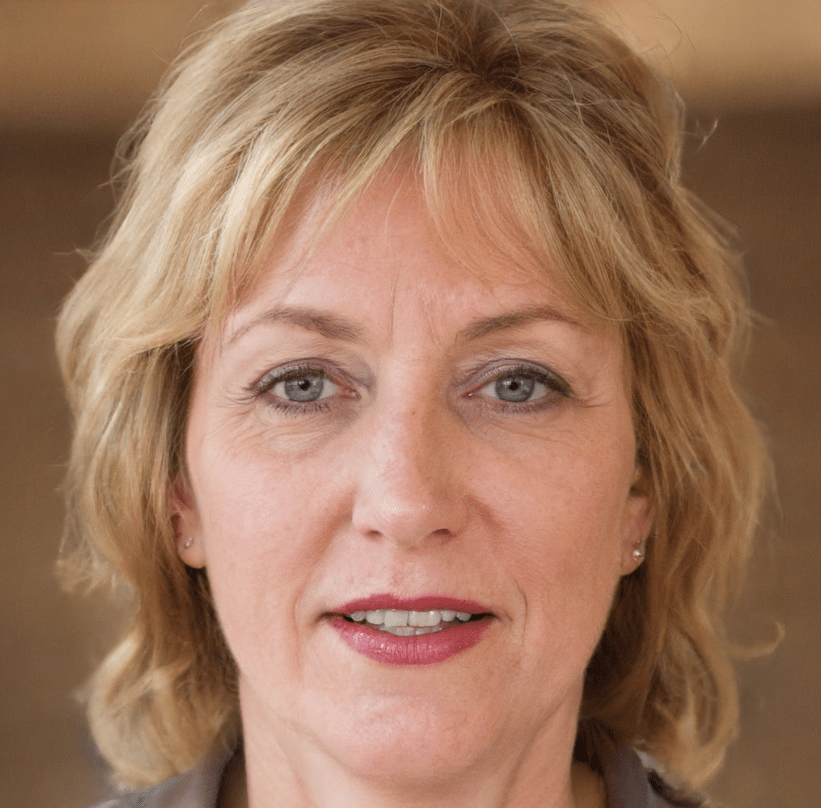 Founder
Nicoleine is the visionary behind Food Meal Trail, dedicated to inspiring healthier eating habits. With a passion for culinary arts and nutrition, she combines her expertise to provide readers with innovative meal ideas and cooking techniques. Nicoleine believes that food should be both nourishing and enjoyable, and she is committed to sharing her love for wholesome cuisine with the world.
Founder
Nicoleine is the visionary behind Food Meal Trail, dedicated to inspiring healthier eating habits. With a passion for culinary arts and nutrition, she combines her expertise to provide readers with innovative meal ideas and cooking techniques. Nicoleine believes that food should be both nourishing and enjoyable, and she is committed to sharing her love for wholesome cuisine with the world.